



For decades, American farmers have been told a quiet lie by the federal government.
Yes, agriculture is essential.
Yes, it’s innovative.
But no — it’s not really research.
That distinction mattered, because under federal tax law, “real” research gets rewarded. Experimentation in labs, engineering firms, and tech startups has long qualified for the Research & Development tax credit under Section 41 of the Internal Revenue Code. Farming, meanwhile, was often treated as applied routine work — valuable, but not scientific enough to count.
That position has been eroding for years.
And on February 3, 2026, a U.S. Tax Court ruling finally cracked it open.
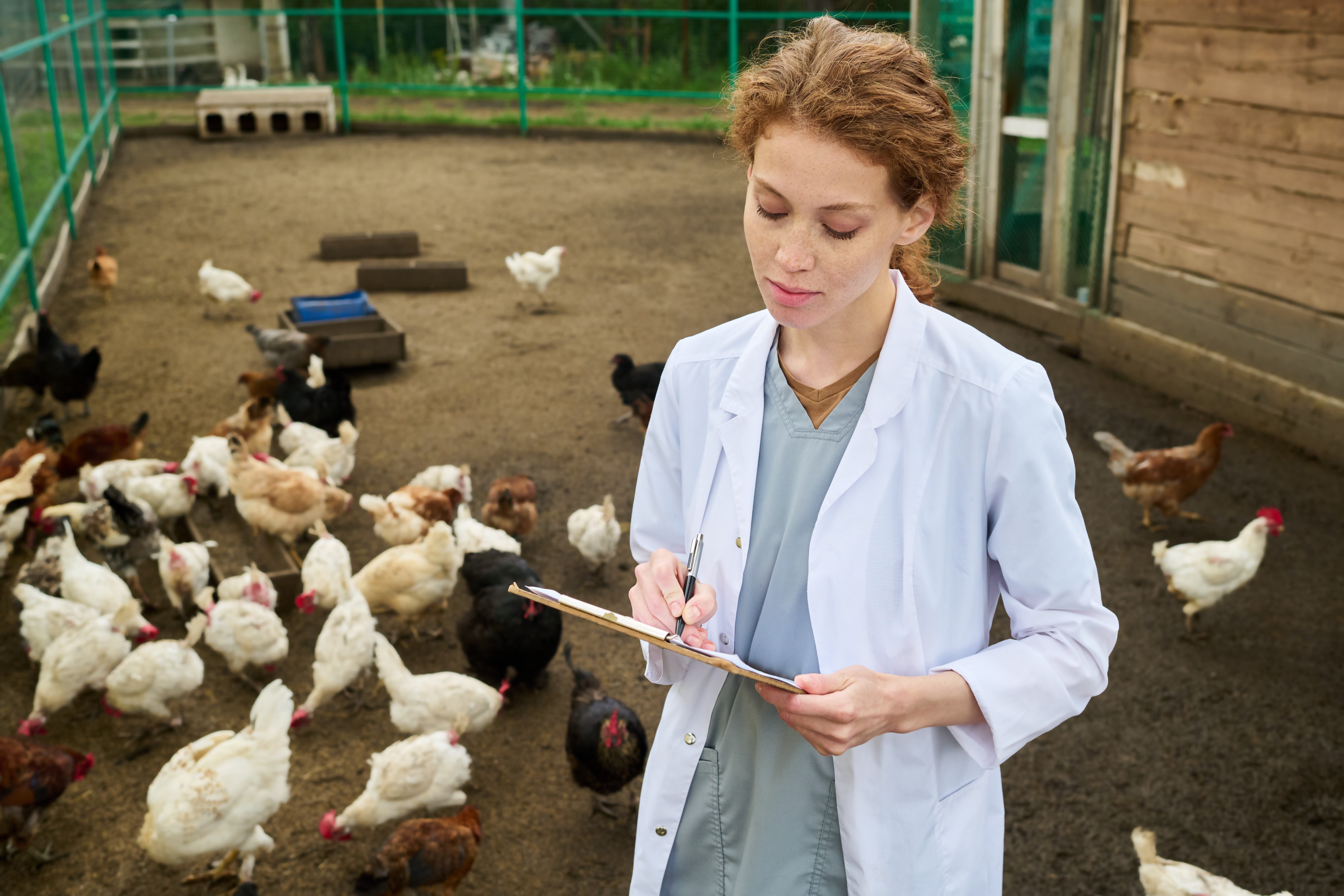
In George v. Commissioner, the court said the quiet part out loud: on-farm experimentation — including work to improve animal health, disease resistance, growth rates, and production outcomes — can qualify as legitimate research and development.
Farmers, the court acknowledged, are doing science.
But then came the second part of the ruling.
And that’s where the trouble starts.
A win — with an asterisk the size of a barn door
The case arose from a poultry operation that claimed R&D credits for work involving broiler health, feed strategies, vaccines, and genetic performance. The court agreed that some of that work met the statutory definition of “qualified research.”
This matters. It builds on a 2022 decision recognizing R&D credits in row-crop agriculture and pushes back on the long-standing assumption that farming is too variable, too practical, or too routine to qualify.
In plain terms:
The court affirmed that farms and ranches can be research environments.
That’s the headline many accountants and consultants are celebrating.
But the opinion doesn’t stop there.
The court didn’t simply bless the credit. It sliced it apart, approving some claimed research activities while denying others — not because the farming practices were illegitimate, but because the documentation didn’t prove what the taxpayer said it proved.
Where contemporaneous records showed experimentation, iteration, and technical uncertainty, credits survived.
Where the story of “research” appeared to be reconstructed after the fact, credits failed.
The message was unmistakable:
You may be a scientist — but you’d better be able to prove it like one.
The paperwork problem no one is talking about
This is where the ruling turns from a feel-good agriculture win into something much sharper.
The Tax Court repeatedly emphasized contemporaneous documentation — records created during normal operations, not years later for tax purposes. Feed formulas, trial notes, production data, mortality records, veterinary protocols. The kind of information farms already generate, but rarely with a lawyer or IRS auditor in mind.
In several instances, the court rejected claimed research not because the activity wasn’t experimental, but because the records didn’t clearly demonstrate:
a defined hypothesis
a process of trial and error
technological uncertainty being resolved
In other words, the farm may have been experimenting — but it couldn’t prove that experimentation in the format the IRS expects.
That distinction is everything.
Because most farms do not operate like pharmaceutical companies. They do not label “experiments” in real time. They adapt, adjust, respond to disease pressure, weather, genetics, and market demands — often simultaneously.
What looks like science from inside the barn can look like routine production from the outside of an audit.
The consultant problem hiding in plain sight
The George case also exposed a structural issue that regulators have seen before — and farmers should recognize immediately.
The R&D credit study was prepared by a third-party consultant, retrospectively. That’s not illegal. It’s common. Entire industries exist to identify and package R&D claims after the fact.
But the court scrutinized that structure carefully.
Where the study aligned with real-world records, it held.
Where it appeared to reverse-engineer “research” from production outcomes, it failed.
This matters because small and mid-sized farms don’t typically have in-house tax departments. They rely on outside professionals — CPAs, consultants, credit specialists — to navigate complex incentive programs.
And history shows what happens next.
A familiar enforcement pattern
This is not speculation. It’s a pattern.
First comes recognition:
“This activity qualifies.”
Then comes marketing:
Consultants fan out, especially in rural America, offering turnkey solutions.
Then comes uptake:
Credits get claimed — often on amended returns seeking refunds.
And finally, years later, comes enforcement:
The IRS tightens review standards, screens claims aggressively, and audits the easiest targets — the taxpayers, not the promoters.
The IRS has already laid groundwork for this phase. It has issued guidance requiring detailed information to accompany R&D refund claims and has made clear that deficient claims may be rejected outright.
That posture existed before George.
This ruling strengthens it.
The court has effectively told the IRS: agriculture qualifies — but only when it looks like formal research on paper.
That creates risk.
Who this puts in the crosshairs
Large operations with compliance staff, legal counsel, and sophisticated recordkeeping are well positioned. They already document protocols, trials, and outcomes in ways auditors understand.
Small operations are not.
Ironically, the farms most likely to be doing hands-on experimentation — trying new feed mixes, testing animal health strategies, adapting genetics to local conditions — are often the least prepared to defend those activities years later in an audit.
The danger isn’t innovation.
The danger is innovation without a paper trail built for federal review.
And once a credit is disallowed, consequences cascade:
credits clawed back
interest assessed
penalties layered on
professional fees piling up
By the time a farmer realizes there’s a problem, the consultant who sold the study is often long gone.
What this ruling really says about modern farming
The Tax Court didn’t just rule on poultry.
It quietly advanced a deeper shift: agriculture is being folded into a regulatory and compliance framework originally built for labs and corporations.
Farmers are being recognized as innovators — but on the government’s terms, not their own.
That recognition comes with expectations:
formalized experimentation
precise documentation
audit-ready narratives
For some, this ruling will open doors.
For others, it will open files.
The warning light, not the crash
This is not an argument against R&D credits.
Nor is it a claim that farms shouldn’t qualify.
It’s a warning about timing.
The George decision is the signal, not the enforcement wave. Those tend to follow years later, once enough claims are in the system and enough patterns emerge.
Farmers were just told they’re scientists.
Now they’re being judged like bureaucrats.
And the test isn’t whether they innovate —
it’s whether they documented it in a way the government will accept when the audit letter finally arrives.