



Across rural America, the conversation about food is changing.
For decades, most food moved through a highly centralized system:
Farm → processor → distributor → grocery store.
But in recent years, a different model has been quietly expanding.
Farmers markets.
Farm stands.
Direct sales.
Neighbors buying food from neighbors.
Now in Iowa, lawmakers are considering legislation that could expand that model significantly.
House File 2444 — commonly referred to as a Food Freedom bill — is working its way through the Iowa General Assembly, aiming to remove certain regulatory barriers that limit direct farm-to-consumer food sales.
For farmers and homesteaders, the proposal represents something many have been asking for:
clearer legal space to sell food directly from the farm.
What the Bill Would Do
At its core, HF 2444 focuses on direct transactions between producers and consumers.
The bill would expand the ability of farmers, home producers, and small food businesses to sell certain foods directly to buyers without going through the full regulatory structure designed for large commercial food processors.
The idea is not entirely new.
Many states already allow some form of cottage food laws, which permit the sale of certain homemade foods under limited regulatory oversight.
HF 2444 would broaden that concept.
Under the proposal, producers could sell qualifying foods directly to consumers as long as buyers are informed that the products are not subject to the same inspection requirements as large commercial food facilities.
In practical terms, the bill is designed to support transactions like:
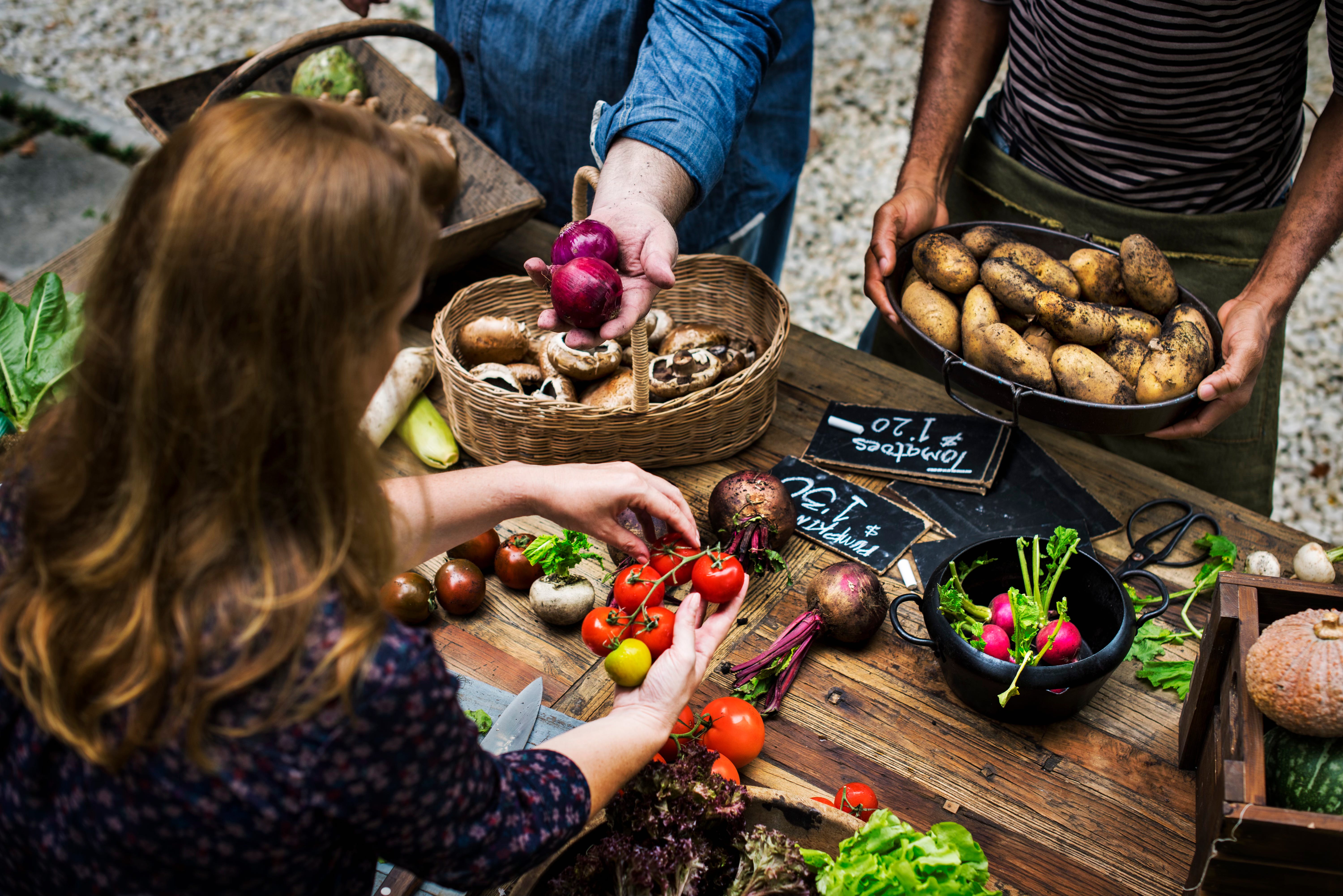
• farm stand sales
• farmers market purchases
• direct farm-to-consumer exchanges
• small-scale home food production
Supporters say the goal is simple:
reduce regulatory friction for small-scale food producers.
Why Farmers Are Paying Attention
For large agricultural operations, food processing regulations are simply part of doing business.
But for small farms and homesteads, the cost and complexity of those regulations can make direct sales nearly impossible.
Commercial food facilities often require:
• licensed kitchens
• specialized equipment
• facility inspections
• extensive compliance documentation
Those requirements are designed with large processors in mind.
But when applied to small-scale producers selling a limited number of items directly to customers, they can become barriers rather than safeguards.
Food freedom legislation attempts to create a separate pathway for these smaller transactions.
For farmers selling eggs, baked goods, jams, or other products directly to neighbors, the change can open up valuable supplemental income.
The Consumer Choice Argument
Supporters of food freedom laws often frame the issue around consumer autonomy.
Their argument is straightforward.
If an informed consumer chooses to buy food directly from a farmer or home producer, that decision should be allowed as long as the buyer understands the product has not been inspected under commercial standards.
In this model, the transaction relies on transparency rather than prohibition.
Labels or disclosures inform the customer that the product was produced outside of the conventional regulatory system.
The consumer then decides whether to purchase.
Many advocates view the model as a return to a simpler marketplace where local trust and personal relationships play a larger role in food commerce.
The Regulatory Perspective
Food safety regulators approach the issue from a different angle.
Inspection systems were originally created to protect public health by ensuring that food sold commercially meets sanitation and safety standards.
From that perspective, expanding uninspected food sales raises concerns about potential health risks.
Even small-scale food production can involve hazards if sanitation, storage, or preparation practices are not handled properly.
For that reason, some regulatory agencies and industry groups remain cautious about broad food freedom proposals.
The debate often comes down to where the balance should be drawn between safety oversight and personal choice.
Why Iowa Matters
Iowa occupies a unique place in the national food system.
It is one of the most agriculturally productive states in the country, known globally for its corn, soybeans, pork, and egg production.
But the state also has a growing network of smaller farms focused on direct-to-consumer markets.
Farmers markets and local food networks have expanded significantly over the past decade as consumers show increasing interest in food produced close to home.
HF 2444 sits at the intersection of those two agricultural realities.
On one side is the large-scale commodity system that dominates global food supply.
On the other is a growing local-food movement that prioritizes direct relationships between farmers and consumers.
The bill attempts to create more room for the second model to operate.
A Broader National Trend
Iowa is not alone in debating food freedom legislation.
Several states have passed similar laws in recent years, allowing broader direct food sales under disclosure-based systems.
The details vary widely.
Some states limit the types of foods that can be sold.
Others cap the volume of annual sales.
Some restrict transactions to face-to-face exchanges.
But the underlying idea is consistent:
small-scale local food transactions should not always be regulated the same way as industrial food production.
That concept has gained traction among farmers, homesteaders, and consumers who want greater access to locally produced food.
What Happens Next
HF 2444 must still move through the legislative process in the Iowa House and Senate before it could become law.
Committee hearings and floor debates will determine whether the bill advances and whether any amendments reshape its provisions.
Food freedom legislation often generates strong opinions from multiple sides of the food system.
Farmers who rely on direct sales may see the bill as an opportunity to expand their markets.
Food safety advocates may push for guardrails to ensure consumer protections remain in place.
As the debate unfolds, the outcome will likely hinge on how lawmakers weigh those competing priorities.
Worn around the world... this hat doesn't just make a statement, it funds the stories of rural America, it takes a stand against Lawfare, it has purpose. Get yours today, join the movement. Defend the Right To Farm https://yanasatradingco.com/products/defend-the-right-to-farm-leather-patch-hat-pre-order
A Question About Food Systems
At its core, the discussion surrounding Iowa HF 2444 reflects a broader shift in how Americans think about food.
The dominant food system of the 20th century prioritized efficiency, scale, and centralized processing.
The emerging food landscape includes something else:
a renewed interest in local production and direct exchange.
Food freedom legislation attempts to accommodate that shift by carving out regulatory space for smaller producers.
Whether Iowa ultimately adopts that approach remains to be seen.
But the conversation itself reveals something important.
Across the country, farmers and consumers are asking a question that has become increasingly difficult to ignore:
How local should the food system be allowed to become?