



In barns and farm kitchens across America, raw milk has always been a quiet part of rural life.
Families drink it.
Neighbors share it.
Small dairies sometimes sell it quietly to loyal customers.
But in the eyes of regulators, unpasteurized milk has long been one of the most tightly controlled foods in the country.
Now in Michigan, that tension has returned to the state legislature.
A new package of bills moving through the Michigan Legislature would loosen restrictions on the sale and distribution of raw milk — setting up a debate that reaches far beyond dairy.
At stake is a broader question about food systems, local agriculture, and who ultimately decides what farmers can sell.
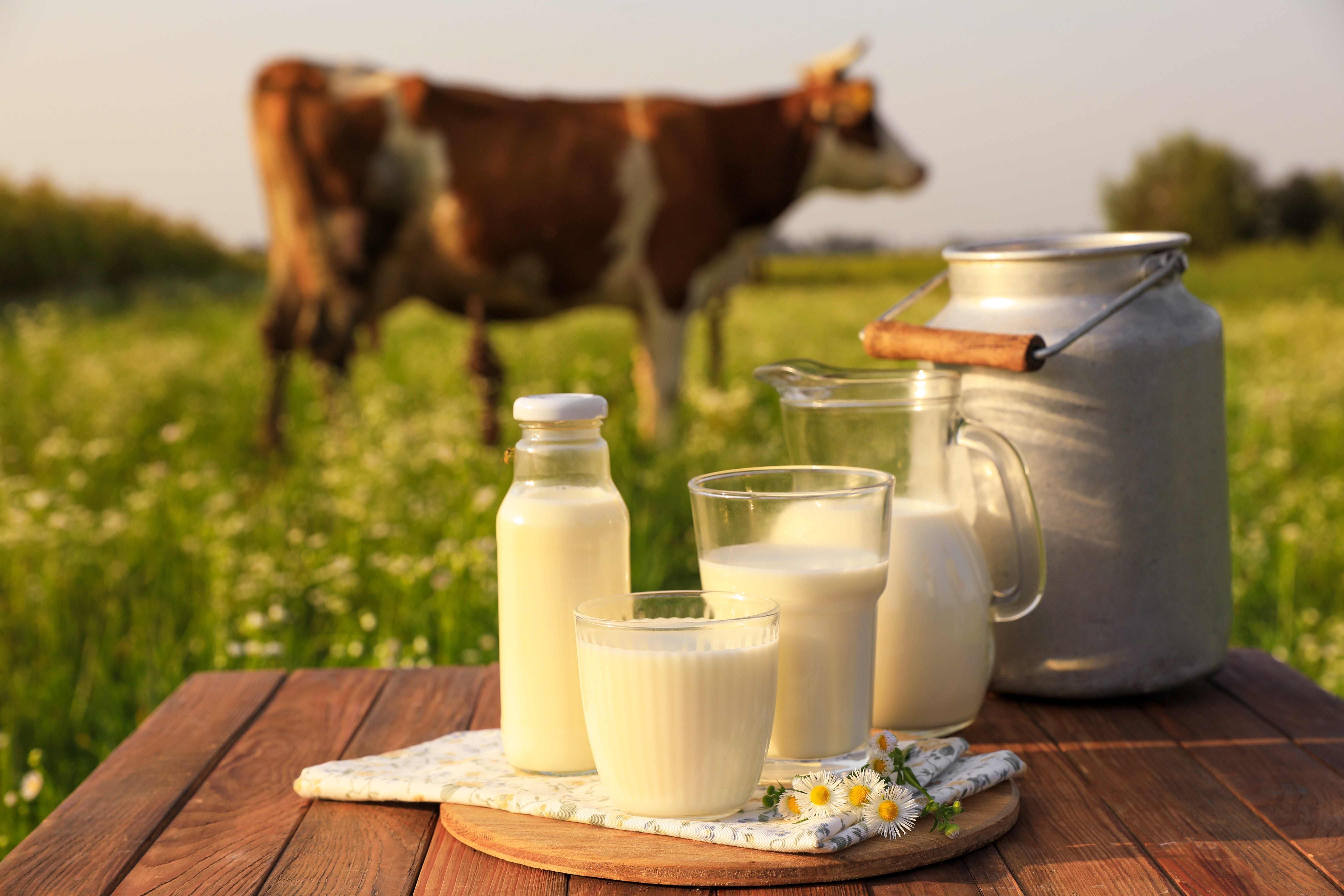
What the Michigan Bills Would Do
The proposed legislation would allow farmers greater freedom to sell raw, unpasteurized milk directly to consumersunder defined conditions.
While the exact language varies across the bills, the core concept is straightforward:
• allow direct sales between farmers and consumers
• clarify legal status for herd-share arrangements
• provide regulatory guidelines rather than outright prohibitions
Supporters say the bills are about recognizing an agricultural reality that already exists.
Across the country, many raw milk consumers participate in “herd-share” or “cow-share” agreements, where customers purchase a share of a cow or herd and receive milk from that animal.
These arrangements have developed in part because federal law prohibits interstate sale of raw milk and many states restrict direct retail sales.
By clarifying the legal framework, proponents argue, states can move the activity out of a gray area and into a regulated environment.
A Debate That Has Been Brewing for Decades
Raw milk regulation is not new.
The federal government has prohibited interstate raw milk sales since 1987, under authority enforced by the U.S. Food and Drug Administration.
Individual states determine whether raw milk may be sold within their borders.
Today, the rules vary widely.
Some states allow retail sales directly from farms.
Others allow only herd-share arrangements.
Some states prohibit almost all distribution.
Michigan has historically taken a cautious approach, allowing herd-share systems but maintaining restrictions on broader commercial sales.
The new legislation would expand the space for direct farm-to-consumer transactions.
Why Raw Milk Has a Loyal Following
Despite decades of regulatory scrutiny, raw milk demand has never disappeared.
Supporters cite several reasons:
Taste and freshness
Many consumers say raw milk simply tastes better than pasteurized milk found in supermarkets.
Local food systems
Buying directly from a farm connects consumers with the people producing their food.
Processing preferences
Some advocates argue that minimal processing preserves beneficial enzymes or natural characteristics of milk.
These views remain controversial among public-health authorities, but they have nonetheless fueled a growing raw milk market in many rural areas.
For small dairies struggling to compete in commodity milk markets, direct sales can also provide a valuable revenue stream.
The Regulatory Perspective
Public-health officials have historically opposed expanded raw milk sales.
Pasteurization — heating milk to kill harmful bacteria — became widespread in the early 20th century after outbreaks of diseases such as tuberculosis and brucellosis were linked to contaminated dairy products.
Today, agencies including the Centers for Disease Control and Prevention continue to warn that unpasteurized milk can carry pathogens if produced or handled improperly.
Supporters of raw milk counter that modern sanitation, herd health management, and small-scale distribution systems can reduce many of those risks.
The debate ultimately centers on how risk should be managed — through prohibition or through informed consumer choice.
Why Farmers Are Watching Closely
For dairy producers, the issue is not only about milk.
It is about market access.
Commodity dairy markets are notoriously difficult for small farms.
Milk prices are often volatile, and large processors dominate distribution.
Direct sales offer an alternative.
A small dairy selling raw milk directly to consumers can sometimes earn significantly more per gallon than through conventional wholesale channels.
That difference can determine whether a family dairy survives.
As a result, many farmers view raw milk legislation less as a niche food debate and more as a question of economic viability for small dairies.
Michigan as a Bellwether
If Michigan moves forward with expanded raw milk access, the decision could ripple beyond the state.
Food freedom legislation has been spreading gradually across the country, often driven by consumer demand for local food systems.
Several states have already loosened restrictions in recent years.
Others are considering similar proposals.
Each legislative change adds momentum to a broader national conversation about how food regulations interact with small-scale agriculture.
Michigan’s dairy industry, which includes hundreds of family operations, makes it a particularly visible arena for that debate.
A Larger Conversation About Food
Raw milk bills often spark intense reactions.
Supporters frame the issue as food freedom and the right of farmers and consumers to make voluntary choices.
Critics frame it as public health protection.
But beneath the arguments lies a deeper shift in how Americans think about food.
Over the past decade, consumers have increasingly sought:
• local products
• direct relationships with farmers
• minimally processed foods
Those trends are reshaping farmers markets, farm stands, and direct-to-consumer agriculture.
Raw milk sits squarely in the middle of that cultural change.
What Happens Next
The Michigan bills must still move through the legislative process.
Committee hearings, amendments, and votes will determine whether the proposals ultimately become law.
If they do, Michigan could join a growing list of states that have expanded legal pathways for raw milk distribution.
For farmers and consumers who support the change, the legislation represents a step toward aligning food regulations with modern local-food markets.
For regulators and public-health officials, the debate will continue to revolve around how best to balance consumer freedom with safety oversight.
Either way, the conversation is unlikely to fade.
Because in many ways, the raw milk debate is about something larger than milk.
It is about who gets to decide how food moves from farm to table.
And whether the rules governing that journey should be written primarily by regulators — or by the people who produce and consume the food themselves.