



The irrigation outlook along the North Platte River Basin is sharpening as the 2026 water year unfolds.
Federal water managers have signaled that irrigation allocations are likely for the North Platte Project this season, a development that farmers across western Nebraska and eastern Wyoming watch closely each spring.
While the basin is not in the kind of extreme drought seen earlier in the 2000s, recent supply data and runoff forecasts suggest water deliveries could still be constrained.
For producers who depend on the North Platte system, that signal matters long before the first irrigation gates open.
Because planting decisions are being made now.
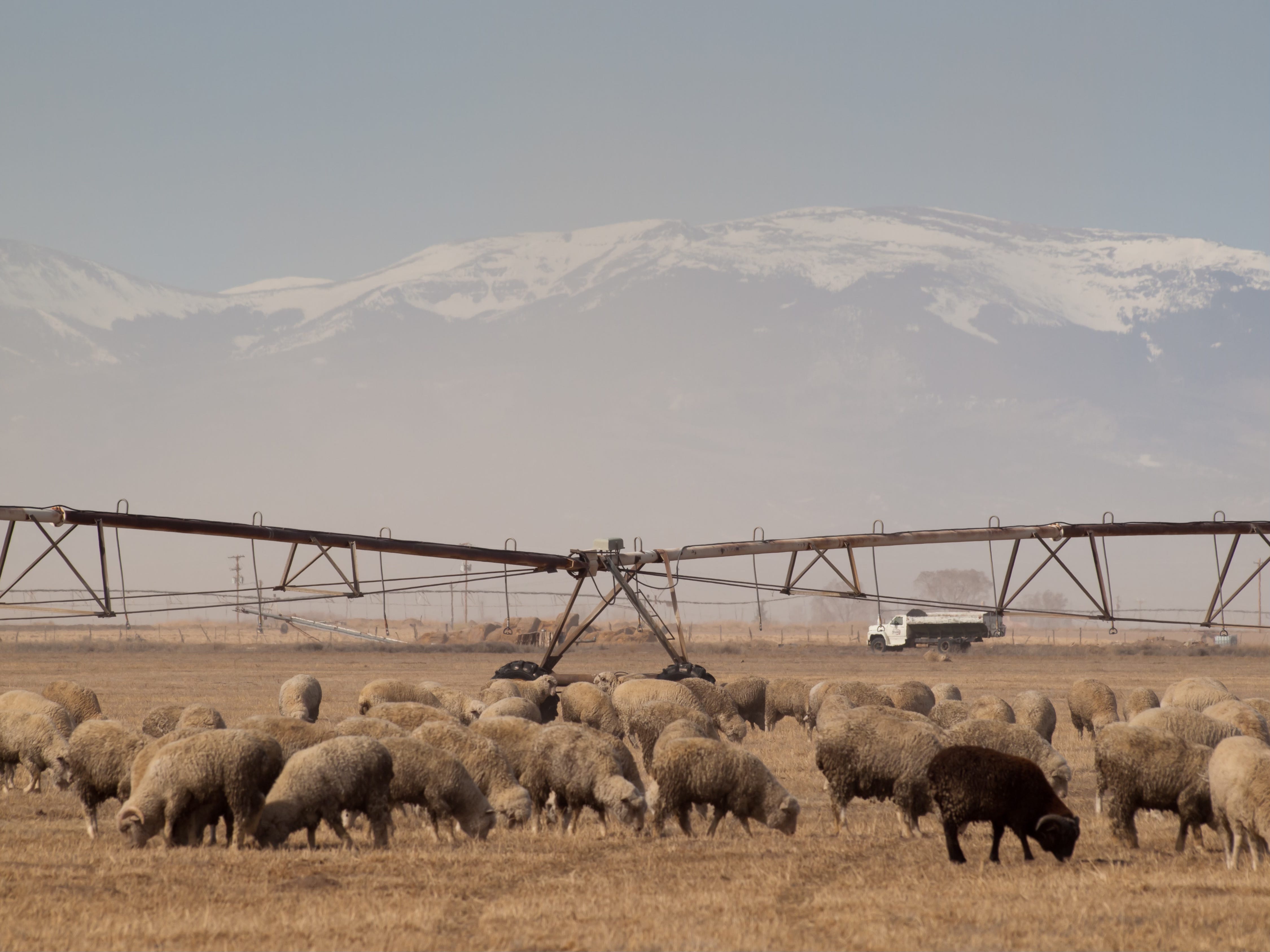
The North Platte System Is One of the West’s Most Engineered Rivers
The North Platte is not a simple river flowing through open country.
It is one of the most heavily managed irrigation systems in the United States.
Water flowing out of the mountains of Colorado and Wyoming moves through a chain of reservoirs before reaching farms in Nebraska.
Major reservoirs—including Pathfinder Reservoir, Seminoe Reservoir, and Lake McConaughy—store snowmelt and regulate releases for irrigation.
The system is designed to smooth out the extremes of the West’s hydrology.
Wet years build storage.
Dry years draw it down.
But after more than two decades of intermittent drought across the region, that buffer has become thinner.
The Federal Signal: Allocations Expected
In February 2026, the U.S. Bureau of Reclamation, which operates major reservoirs along the North Platte system, announced that an irrigation allocation is expected for the North Platte Project based on current water supply forecasts.
That announcement does not immediately determine how much water farmers will receive.
But it serves as an early indicator that full deliveries are unlikely without a strong runoff season.
For farmers in Nebraska’s Panhandle—where irrigation supports a large share of the region’s corn, dry bean, alfalfa, and sugar beet production—the allocation forecast is one of the most important signals of the year.
Basin Supply Numbers Tell a Mixed Story
The North Platte system is one of the most engineered rivers in the American West, relying on a network of reservoirs to store mountain snowmelt for summer irrigation.
Recent basin reports show why water managers are taking a cautious approach.
As of early 2026:
Total accumulated inflows for the water year were running about 77 percent of the historical median.
Some upstream reservoirs were seeing below-average inflow levels compared with long-term norms.
Forecast models suggested Pathfinder Reservoir was unlikely to spill during the upcoming runoff season, an indicator that the system is operating in conservation mode.
None of these numbers represent a catastrophic shortage.
But together they paint a picture of a basin where water supply is adequate—but not abundant.
And in a system that serves multiple states and irrigation districts, that distinction matters.
Snowpack Is Only Part of the Equation
Many farmers look first at snowpack maps each winter.
Snowpack in the mountains of Wyoming and Colorado ultimately determines how much water flows into the North Platte River.
But water managers emphasize that snowpack alone does not determine irrigation supply.
Timing matters just as much.
A rapid spring melt can push large volumes of water through the system before irrigation demand peaks.
If reservoirs cannot capture that runoff efficiently, water can pass downstream before it can be stored for summer use.
Conversely, a slower melt can extend supply deeper into the irrigation season.
Those timing uncertainties are why allocation forecasts often remain conservative until runoff conditions become clearer.
Why Allocations Happen Even With Water in Storage
To producers unfamiliar with the system’s operating rules, allocation announcements can be confusing.
Reservoirs like Lake McConaughy, Pathfinder Reservoir, and Seminoe Reservoir may still hold substantial water when allocations are announced.
But water managers must balance several competing priorities.
Those include:
maintaining carryover storage for future years
meeting interstate water agreements
protecting reservoir operations during uncertain runoff conditions
In practice, that means allocations are often set based on forecast risk, not just current storage levels.
The goal is to avoid overcommitting water early in the season.
Agriculture’s Dependence on the River
The North Platte irrigation system supports tens of thousands of acres of farmland across western Nebraska and eastern Wyoming.
In Nebraska’s Panhandle, irrigation from the river helps produce:
corn
dry beans
sugar beets
alfalfa
wheat
Many operations rely on a combination of surface water from irrigation districts and supplemental groundwater pumping.
When allocations tighten, farmers often adjust planting plans, irrigation schedules, or input spending accordingly.
Those decisions ripple through the rural economy.
Grain elevators, equipment dealers, and local lenders all pay close attention to water forecasts.
Farmers Are Watching the Runoff Window
Between now and early summer, several developments will determine how restrictive the final irrigation allocations become.
Key factors include:
spring snowfall and late-season storms in the Rockies
the pace of snowmelt runoff into the basin
updated water supply forecasts from federal reservoir managers
A strong late-season snowpack or a slower runoff period could improve the outlook.
A warm, rapid melt could tighten allocations further.
For now, water managers are signaling caution.
The Bigger Western Pattern
The North Platte Basin reflects a broader trend across Western water systems.
Reservoir networks built during the 20th century were designed to buffer agriculture against natural variability.
But in recent decades, those margins have become narrower.
Population growth, environmental requirements, and more volatile hydrology are all putting pressure on the same water systems.
Allocations have become the primary tool managers use to balance those competing demands.
For farmers, the consequences are immediate.
Planting decisions, crop insurance strategies, and irrigation planning all depend on water availability.
The Bottom Line
The 2026 irrigation outlook along the North Platte River is not a crisis.
But it is not a surplus year either.
With inflows running below long-term averages and federal managers already signaling likely allocations, farmers across the basin are entering the season with a cautious eye on the mountains.
Because in the West, the difference between a good irrigation year and a tight one often comes down to a few weeks of spring runoff.
And those weeks are just beginning.

It's time to load up on Beeswax Candles! Because when the lights go out (and there's a good chance they will), you don't want to be breathing paraffin. https://yanasatradingco.com/collections/the-yanasa-apiary