



Across rural America, a new kind of agricultural disaster is emerging.
It does not arrive with drought, flood, or disease.
Instead, it arrives in the form of dead cattle, poisoned wells, and farmland that can no longer produce food safely.
The cause is a group of chemicals known as PFAS — often called “forever chemicals” because they do not break down in the environment.
And in a growing number of cases, the contamination appears to trace back to something farmers were told was safe:
sewage sludge fertilizer.
What was promoted for decades as a sustainable recycling solution may now be revealing itself as one of the largest agricultural contamination pathways in the United States.
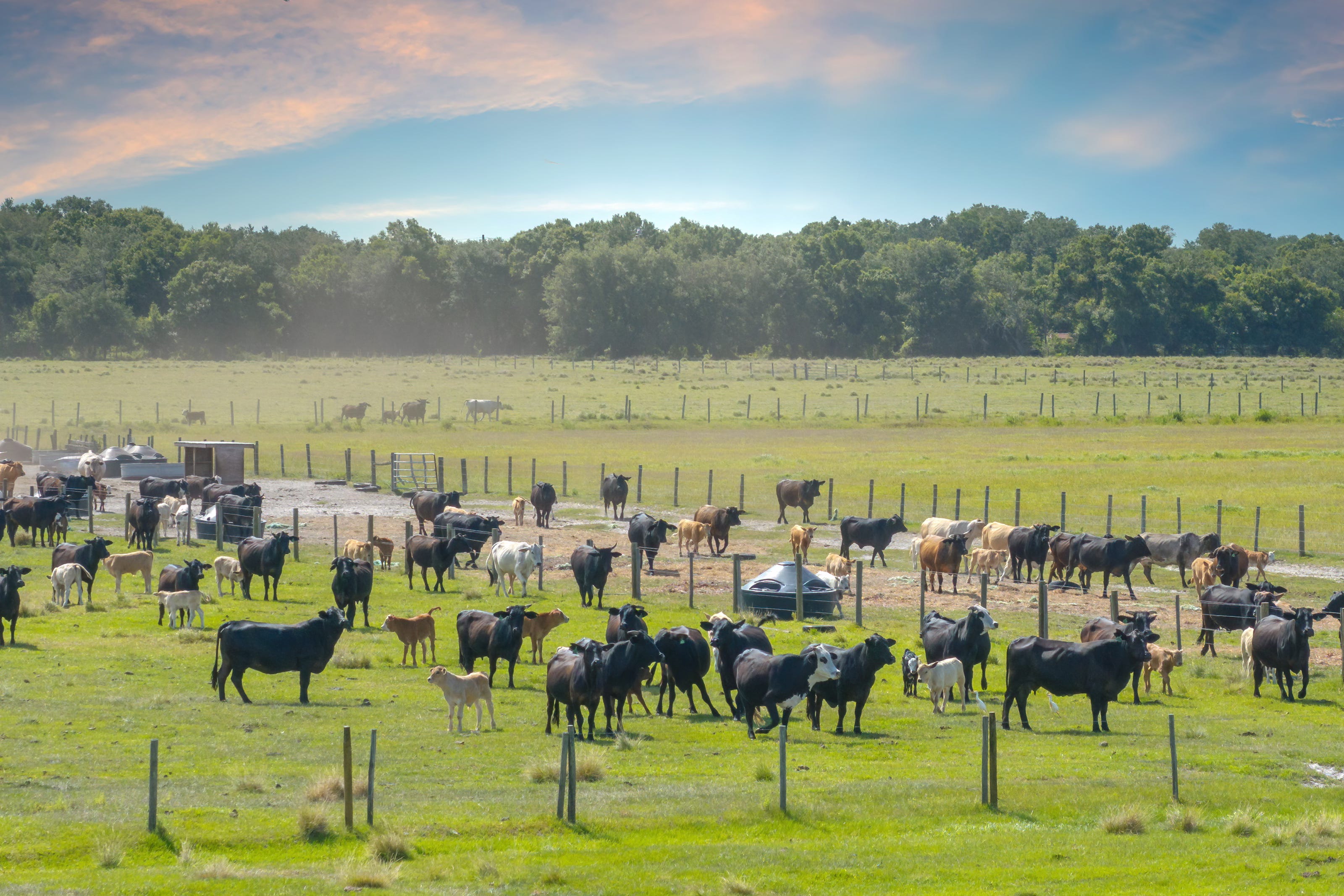
The Day the Cattle Started Dying
In Johnson County, Texas, ranchers Tony and Karen Coleman began noticing something was wrong.
Animals were falling ill.
Water sources smelled strange.
Then the deaths started.
Cattle, horses, and fish began dying in unusual numbers. The ranchers would later report that more than sixty cattle died, raising alarm that something in the soil or water had gone terribly wrong.
Tests eventually pointed toward contamination from PFAS chemicals, substances linked to firefighting foam, industrial manufacturing, non-stick coatings, and stain-resistant materials.
The Colemans allege the contamination entered the environment through fertilizer produced by Synagro, a company that processes municipal sewage sludge into agricultural fertilizer.
Their case has become one of the first major lawsuits alleging that PFAS contamination from biosolids poisoned livestock and farmland.
But it is far from the only one.
A Hidden Pipeline to Farmland
To understand how industrial chemicals could end up killing livestock, you have to look at the way America handles wastewater.
Municipal wastewater plants collect waste from a vast array of sources:
• households
• factories
• hospitals
• airports
• military installations
• landfills
When that waste is treated, solids are removed and concentrated into sludge.
Rather than disposing of the sludge in landfills, federal policy since the early 1990s has encouraged turning it into fertilizer known as “biosolids.”
The regulatory framework that allowed this practice was established under Clean Water Act and formalized through EPA biosolid regulations in the early 1990s.
The logic seemed sound.
Instead of discarding sludge, municipalities could recycle nutrients like nitrogen and phosphorus back into agriculture.
For decades, farmers across the country spread these biosolids on fields.
But wastewater treatment plants were never designed to remove PFAS chemicals.
Those chemicals simply concentrate inside the sludge.
And when that sludge is applied to farmland, the chemicals move into:
• soil
• groundwater
• crops
• livestock
Ground Zero: Maine’s Farm Crisis
No state illustrates the problem more dramatically than Maine.
Beginning in the early 2020s, testing programs began detecting extremely high PFAS levels on farms that had used biosolids fertilizer.
In some cases, contamination was so severe that milk from dairy cows could no longer be sold.
One dairy farmer discovered the problem only after regulators tested his milk.
The farm had to shut down.
What had been a productive agricultural operation for generations became essentially worthless overnight.
So many farms were affected that the state eventually launched a multi-million-dollar compensation and testing program to address the crisis.
More than 80 farms in Maine have tested positive for PFAS contamination.
Some of them will likely never return to food production.
How PFAS Moves Through a Farm
PFAS contamination spreads through agricultural ecosystems in several stages.
Soil
When biosolids are applied to farmland, PFAS chemicals bind to soil particles and remain there for decades.
Water
Rain and irrigation allow those chemicals to leach into groundwater and nearby streams.
Plants
Certain crops absorb PFAS through their roots.
Livestock
Animals ingest PFAS through:
• contaminated grass
• feed crops
• drinking water
The chemicals accumulate inside animals over time.
This bioaccumulation can lead to:
• liver damage
• reproductive issues
• weakened immune systems
• contamination of meat and milk
In extreme cases, entire herds become unsafe for food production.
The Regulatory Gap
The growing PFAS farm crisis is raising difficult questions about regulation.
Despite increasing concern, there is still no comprehensive federal limit on PFAS levels in biosolids applied to farmland.
The primary regulatory authority lies with the United States Environmental Protection Agency, which oversees biosolid rules under federal wastewater law.
But those regulations were written decades before PFAS contamination was widely understood.
As a result, many farmers say they applied biosolids fertilizer in good faith, following recommendations from state agencies and municipal programs.
Only later did testing reveal that the land had become contaminated.
A National Problem Emerging
Cases of PFAS farm contamination have now been documented in multiple states.
Among them:
• Michigan
• Wisconsin
• Texas
• New Mexico
• Maryland
In many of these locations, contamination was discovered only after livestock illnesses or groundwater testing triggered investigations.
The true scale of the issue remains uncertain.
Most states do not routinely test farmland for PFAS.
The Economic Time Bomb
For farmers, PFAS contamination can destroy more than livestock.
It can destroy the value of the land itself.
Once contamination is confirmed:
• crops may be unsellable
• milk can be banned from the market
• livestock must be culled
• wells may become unusable
Unlike many environmental pollutants, PFAS chemicals persist for decades.
In practical terms, this means some farmland may be effectively removed from food production for generations.
The Next Agricultural Scandal?
Environmental contamination has shaped American agriculture before.
Industrial chemicals once poisoned cattle in West Virginia in a case that eventually led to massive litigation against chemical manufacturers.
That scandal exposed how certain chemicals moved silently through water systems and ecosystems before regulators fully understood the risks.
PFAS contamination may represent a similar moment for agriculture.
Only this time, the chemicals may have been delivered directly to farms through fertilizer programs that were supposed to help the environment.
The Questions Now Facing Agriculture
The emerging PFAS farm crisis raises questions that policymakers and farmers are only beginning to confront.
How widespread is contamination in American farmland?
Who bears responsibility when land becomes unusable?
And how can the agricultural system protect food production if contamination pathways already exist?
These questions will likely shape environmental policy, food safety regulation, and rural economies for years to come.
For now, one fact is becoming increasingly difficult to ignore.
Across parts of rural America, farmers who believed they were improving their soil may have been unknowingly spreading industrial chemicals onto the land that feeds the country.