



America’s Beef Shortage Isn’t a “Supply Chain Problem.” It’s a Biology Problem.
By now, everyone has heard some version of the headline: “Cattle herd at historic lows — steak prices stay high.” That’s true. But it’s also incomplete, and it misses the part that actually matters to your grocery bill.
This isn’t just a price story. It’s a pipeline story.
And the pipeline is shrinking at multiple points at once — cow herd, calf crop, and cattle on feed — while policymakers are reaching for imports that mostly affect hamburger, not ribeye.
Below is the receipt-driven version — built from USDA inventory reports, wholesale boxed beef pricing, retail feature data, and what the largest packers are saying publicly about supply through 2027.
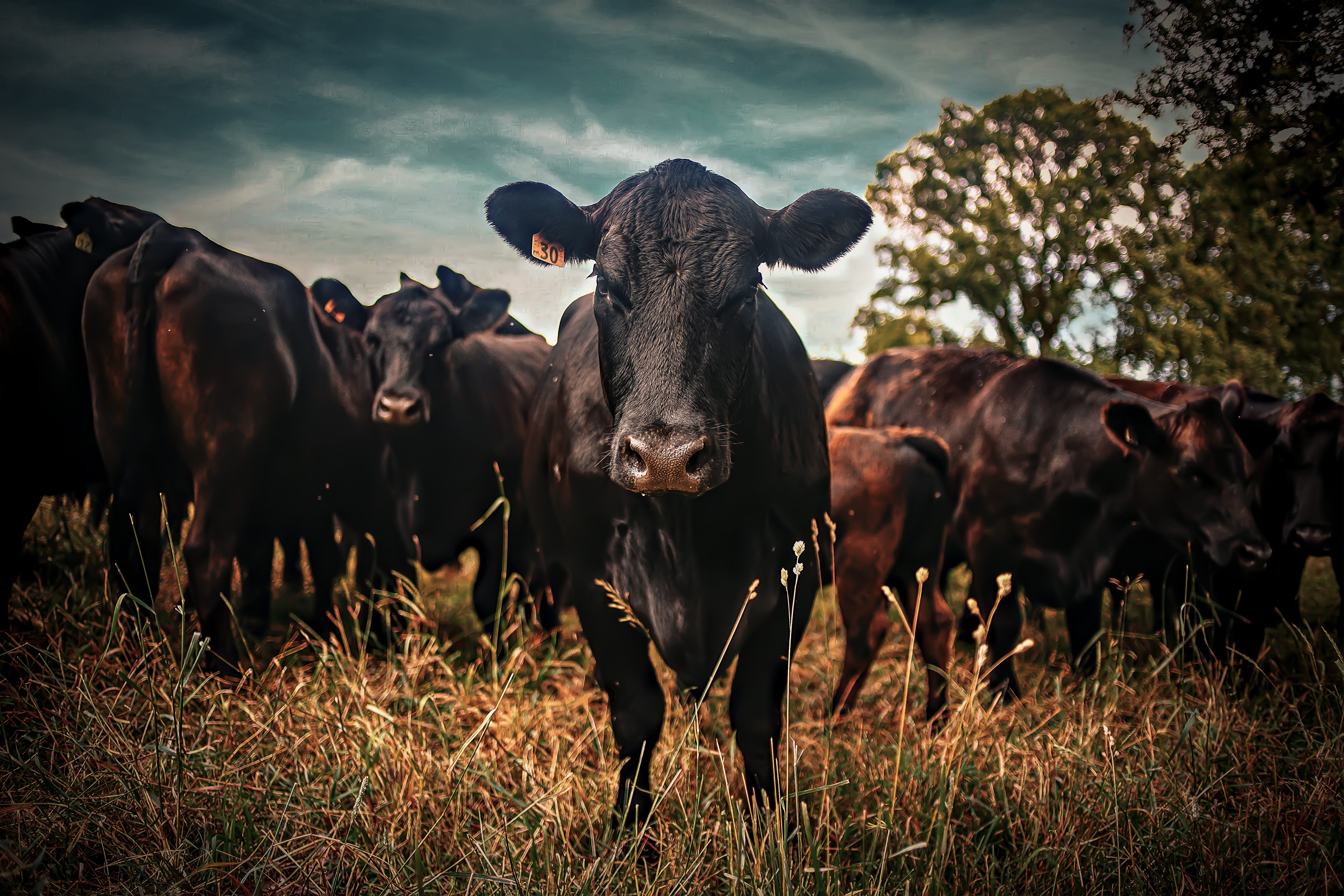
The core receipt: the breeding herd is smaller
USDA’s National Agricultural Statistics Service (NASS) pegged total U.S. cattle and calves at 86.2 million head as of January 1, 2026, down from a year prior.
That topline number is important, but the real driver of future beef supply is the breeding base:
Beef cows: 27.6 million, down 1% year over year
Calf crop (2025): 32.9 million, down 2%
Cattle on feed (Jan 1, 2026): 13.8 million, down 3%
Read that again: fewer mother cows, fewer calves born, and fewer cattle in the finishing pipeline. That’s not a “one bad month” pattern — it’s multi-year arithmetic.


“But prices are high — shouldn’t ranchers expand?” Not that fast.
The public tends to assume high prices automatically create more supply. In beef, the biological timeline fights that assumption.
Expansion requires:
retaining heifers (not selling them),
breeding them,
waiting out gestation,
raising calves,
then feeding them out to harvest weight.
That’s why “the cattle cycle” is measured in years.
USDA’s own inventory breakdown shows one hint of retention: beef replacement heifers were 4.71 million, up 1% year-over-year.
But “up 1%” on replacements does not cancel a national breeding herd that is still down — and the calf crop is already smaller. In other words: you can see the first flicker of intent to rebuild, but the rebuild isn’t here yet.
The “steak price” mechanism: boxed beef stays elevated
Even if you never read a cattle report, you can see tight supply pressure in wholesale.
USDA AMS publishes daily boxed beef cutout reports (the wholesale composite value of carcass cuts). Those values have remained elevated in recent reporting, with AMS documenting current wholesale prices and volumes in its daily national cutout report.
This matters because retail “sales” and “features” are mostly marketing around a wholesale floor. Grocery chains can choose what to promote, but they can’t promo their way out of a structurally tight supply pipeline.
Retail reality: consumers trade down, which keeps ground beef hot
High steak prices don’t just mean “less steak.” They push shoppers into cheaper cuts — and that concentrates demand on ground beef.
One of the cleanest public series for this is the BLS average price series (available via FRED). It shows ground beef averaging $6.687/lb in December 2025, updated mid-January 2026.
USDA ERS’ Food Price Outlook adds the broader inflation context: beef and veal prices were 16.4% higher in December 2025 than December 2024, even after month-to-month changes slowed.
Meanwhile, AMS retail feature data shows what stores are actually pushing in ads and specials — including ribeyes, short ribs, and value steak options — offering a window into how retailers position beef when prices are tight.
Translation: Even when “steak demand” cools, ground demand can stay strong, and that helps keep the overall beef complex firm.
The packer signal: tight cattle supplies “through 2027”
When the biggest processor in America tells investors supply will remain tight, that’s not a social media theory — it’s a profitability warning.
In early February 2026, Reuters reported Tyson Foods saying tight cattle supplies are expected through 2027.
Reuters also reported Tyson continuing a major beef plant wind-down amid limited cattle supplies and cost pressure — a downstream symptom of the same tightness.
This is where the story becomes more than “expensive groceries.” A herd contraction forces decisions across the chain:
feedyards compete for fewer placements,
packers compete for fewer slaughter-ready cattle,
some plants become uneconomic,
and the system rebalances through price — and sometimes closures.
The policy response you’re hearing about: Argentine beef import quotas
Now we get to the political headline: imports.
On February 6, 2026, Reuters reported President Trump signed a proclamation increasing the low-tariff import quota for Argentine beef by 80,000 metric tons, specifically for lean beef trimmings used in hamburger production.
This is the key detail that gets lost in the shouting:
Lean trimmings are a ground-beef lever. They are not a “steak supply” lever.
Imports can relieve pressure in certain categories — especially hamburger manufacturing — but they don’t rebuild the U.S. beef cow herd, and they don’t instantly flood the case with ribeyes. And even Reuters notes economists expected minimal impact at the grocery store level.
So if the public is being told “imports will fix steak prices,” the receipts suggest a narrower truth:
imports may influence ground pricing dynamics,
while the steak pipeline remains governed by domestic herd biology and time.
Why the “cycle low” deepens before it reverses
Put the numbers together:
Beef cow herd down → fewer calves coming
Calf crop down → fewer feeders later
Cattle on feed down → fewer market-ready cattle soon
Wholesale values elevated → retail prices remain sticky
Large packer outlook tight through 2027 → no fast relief window
This is why “cheap beef soon” narratives keep failing. Even if rainfall improves and ranchers want to expand, expansion is constrained by time, capital, pasture recovery, and replacement retention — and the data show the pipeline is already thinner.
The real early-warning indicators
If you want to know when relief is actually coming, watch these three signals:
Beef cow numbers (NASS Cattle report, annual)
If beef cows start rising meaningfully — not just replacements — that’s the real turning point.Heifer retention and placements
Replacement heifers rising is necessary but not sufficient; you need to see it sustained.Cattle on feed + placements (feedlot pipeline)
If on-feed inventories rebound, it suggests more beef production ahead.
The uncomfortable part…
The receipts do not support “prices normalize next month.” They support:
the U.S. is still in a tight-supply phase, and the near-term fixes being discussed are mostly about hamburger inputs — not rebuilding the domestic herd.
In other words: this isn’t a retail conspiracy story.
It’s a slow-moving supply constraint story — and the math is sitting in USDA PDFs.