



As the USDA confronts Washington State over aggressive penalties and secretive criminal actions, agency leaders scramble to defend their decisions. But documents, expert analysis, and firsthand attorney testimony paint a very different picture of what actually happened.
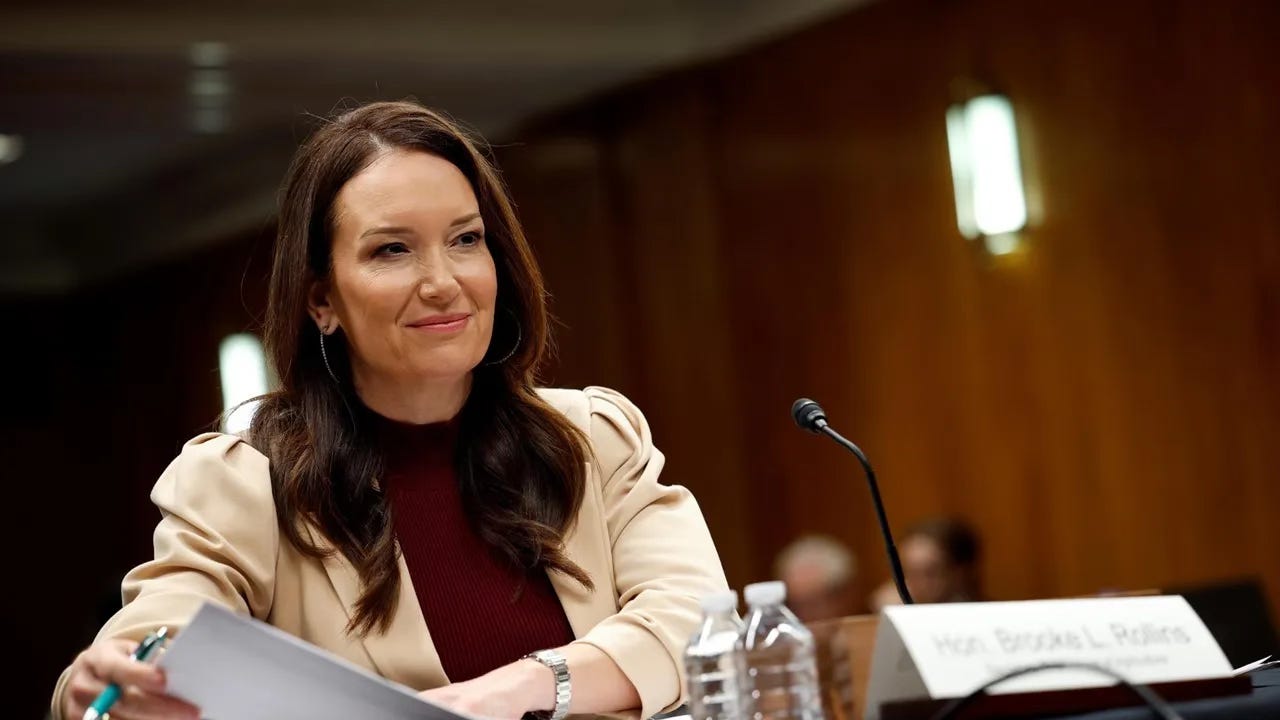
A Federal Bombshell Drops in Olympia
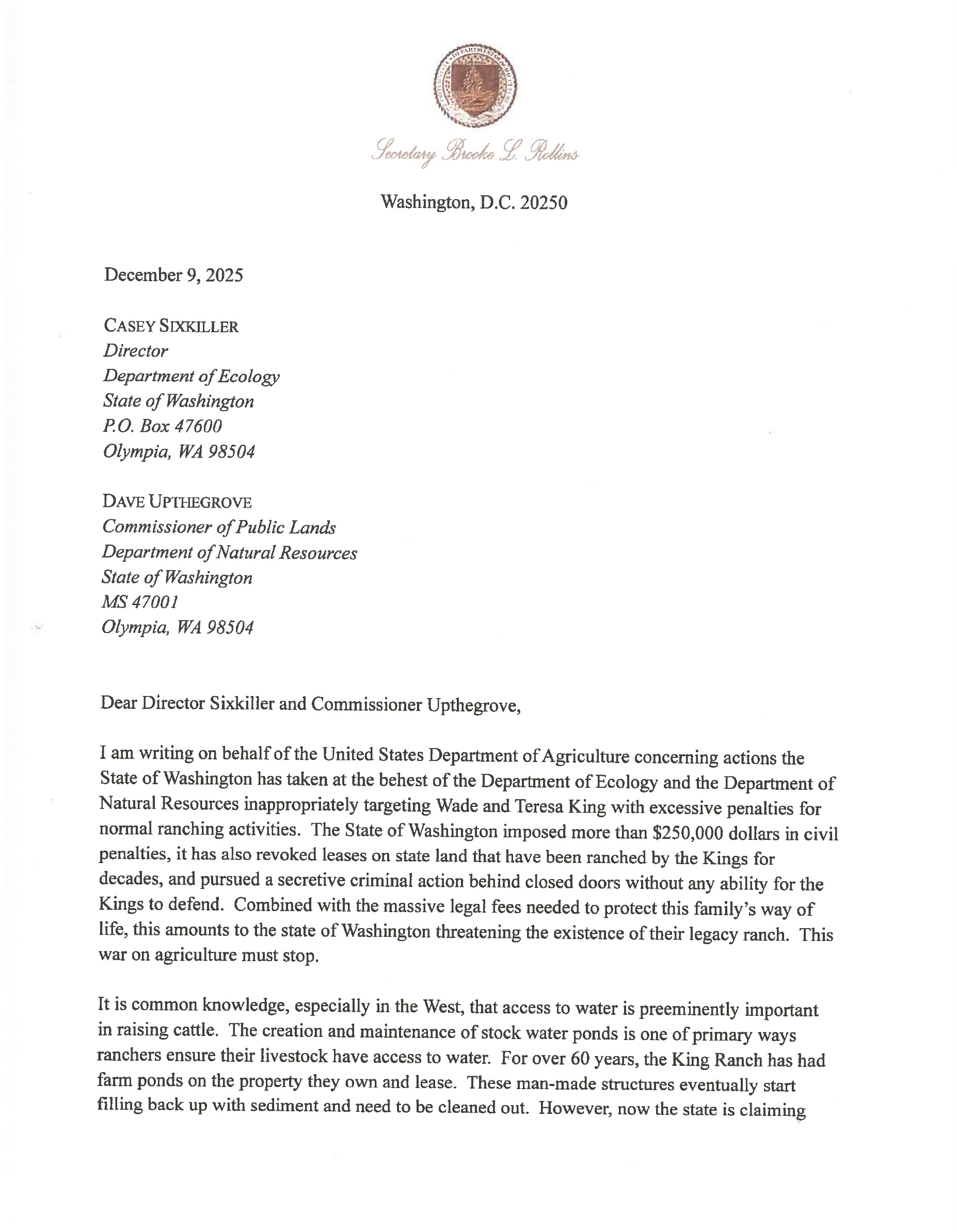
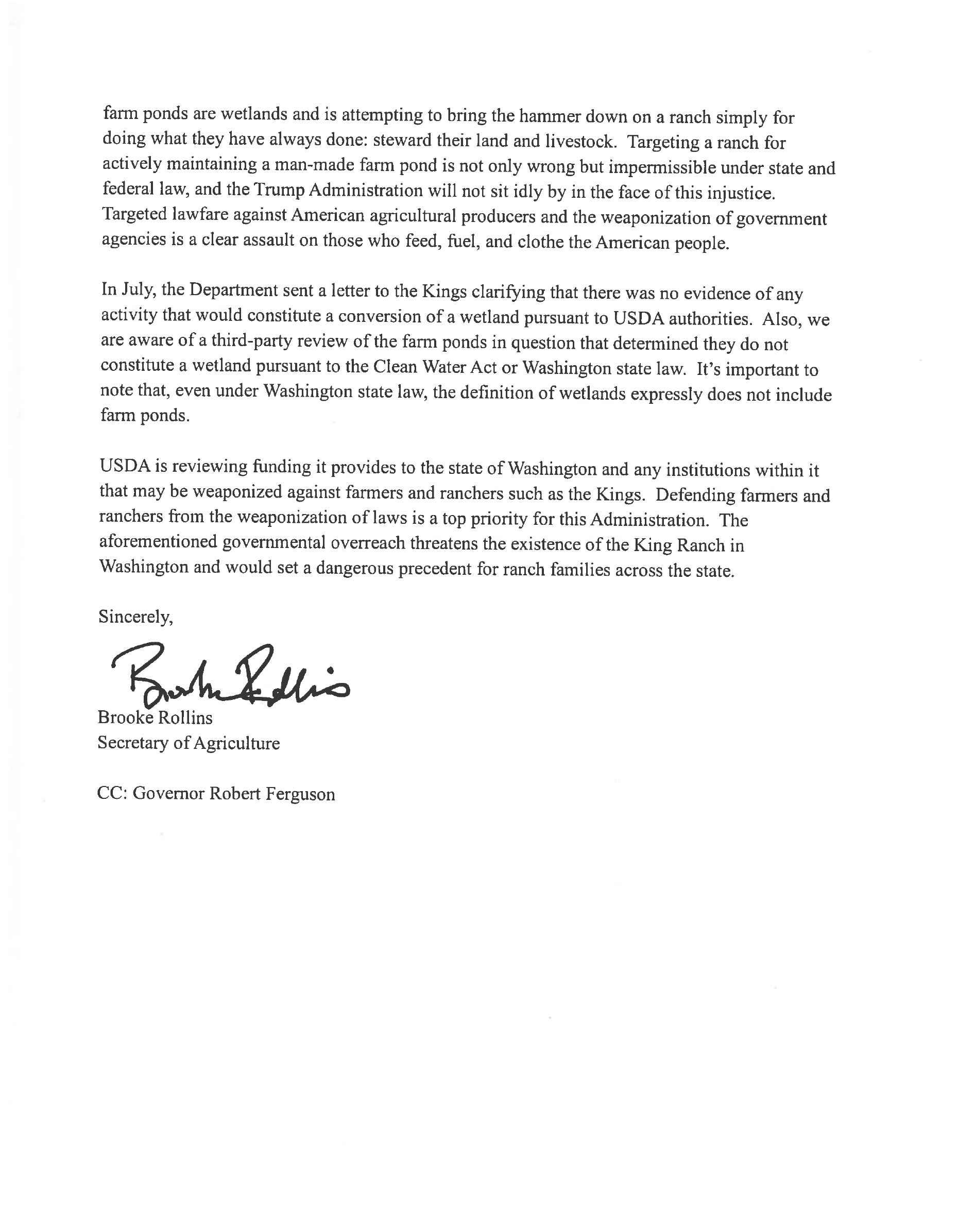
On December 9, 2025, U.S. Secretary of Agriculture Brooke Rollins issued a stunning two-page letter addressed to Washington Department of Ecology Director Casey Sixkiller and newly seated Commissioner of Public Lands Dave Upthegrove.
In it, Rollins accused the two agencies of “inappropriately targeting” Wade and Teresa King, issuing over $250,000 in penalties, revoking long-standing grazing leases, and pursuing “a secretive criminal action behind closed doors without any ability for the Kings to defend.”
USDA Letter to Washington State…
Rollins did not mince words. She called the state’s actions:
“A war on agriculture… a clear assault on those who feed, fuel, and clothe the American people.”
The letter also directly contradicted Ecology’s claim that the Kings had damaged wetlands, pointing out:
Farm ponds do not meet the definition of wetlands under Washington law,
USDA found no evidence of conversion, and
A third-party review confirmed the ponds are not wetlands under the Clean Water Act.
The message was unmistakable:
Washington State is using environmental law as a weapon against a ranching family, and the federal government has taken notice.
But Washington agencies immediately fired back.
Washington State Responds — and the Narrative Begins to Crack
Within hours of the Capital Press story breaking, Washington’s Department of Ecology and Department of Natural Resources attempted damage control.
Ecology Director Casey Sixkiller—only five months into the job—declared:
“USDA’s letter is misleading and reflects a total disregard of the facts involved in this case.”
“It’s inappropriate for USDA’s leadership to interfere with a state issue…”
He further claimed Ecology had “tried to resolve the matter with the Kings.”
This statement collapses under scrutiny.
According to the Kings’ attorneys, the agencies did not work with the Kings—they attempted to corner them into legal and criminal entrapment, refused to provide clarity on criminal exposure, and prevented the Kings from presenting their defense during the injunction hearing.
During our interview, attorney James Grifo stated:
“They have never been able to tell their story… The AG refused to give us anything in writing that they would not prosecute the Kings criminally.”
king-ranch
Attorney Toni Meacham added:
“We were postponed from pursuing it because of the criminal piece… but we’re not going to sit and wait. The Kings want to pound the table and say, ‘We did nothing wrong.’”
king-ranch
You cannot claim you were “trying to resolve” a case while simultaneously threatening a ranching family with criminal prosecution and quarter-million-dollar fines.
That is not cooperation.
It is coercion.
The “Inappropriate Interference” Argument Rings Hollow
Sixkiller’s statement that it is “inappropriate” for USDA to intervene raises a simple question:
Can a state accept billions in federal agricultural support, conservation grants, wildfire mitigation dollars, grazing payments, and rural development funds—while rejecting federal oversight of how it treats agricultural producers?
From an ethical and policy standpoint, the answer is obvious:
When you take federal money, you accept federal expectations.
Secretary Rollins hinted at this:
“USDA is reviewing funding it provides to the state of Washington and any institutions within it that may be weaponized against farmers and ranchers such as the Kings.”
USDA Letter to Washington State…
Washington wants federal funding.
It just doesn’t want federal accountability.
That tension has now become national news.
Who Is Casey Sixkiller? The Context Washington Isn’t Talking About
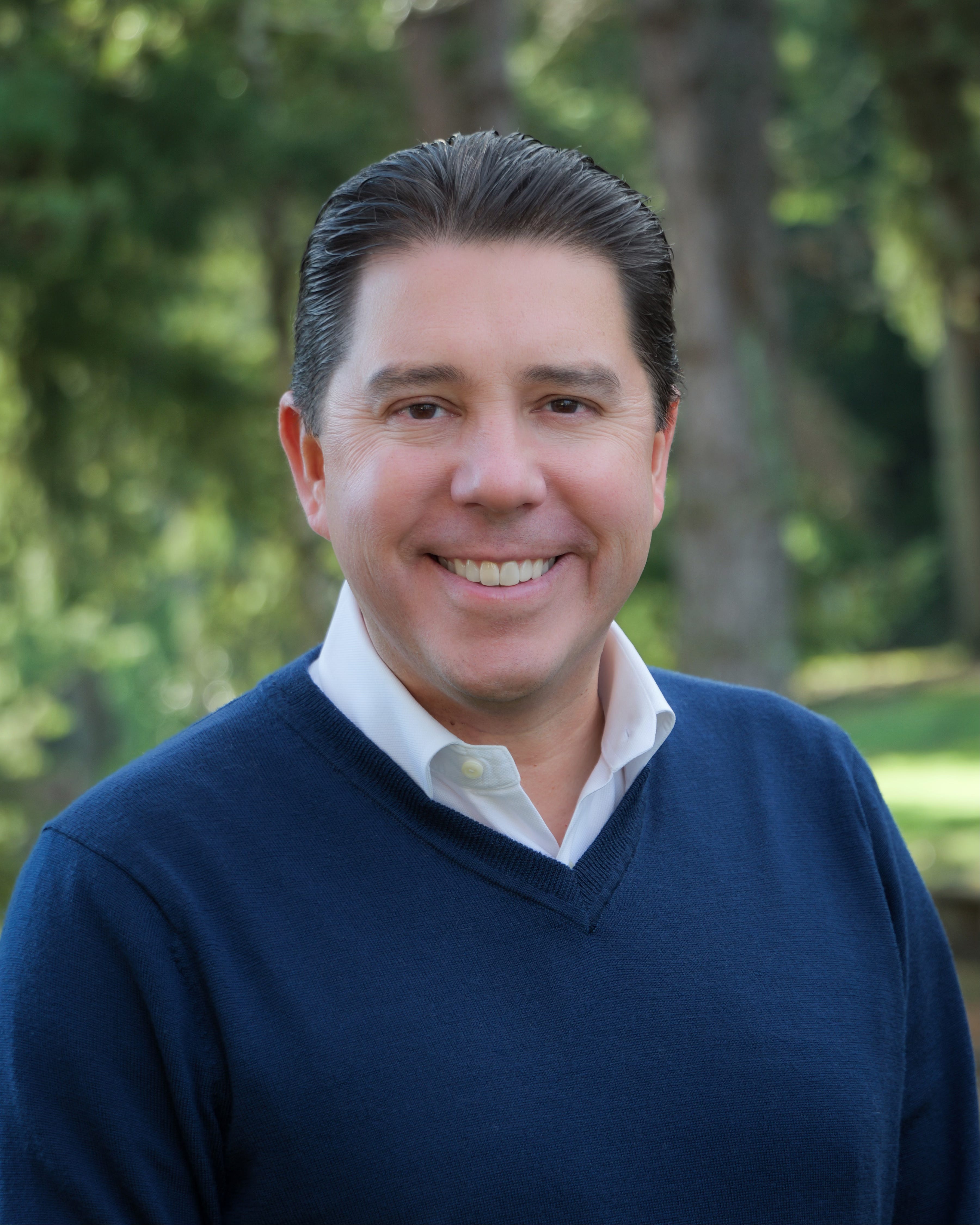
Sixkiller’s sharp rebuke of USDA is noteworthy given his background.
And it is a background worth examining because his public statements suggest certainty and firsthand knowledge—yet neither appear to apply to this case.
Before being appointed to lead the Department of Ecology in 2025, Sixkiller was:
A Washington, D.C. lobbyist for nearly 15 years,
Founder of Sixkiller Consulting, a K-Street style operation,
Representing clients that included private prison operators, oil and gas firms, defense contractors, and surveillance companies, according to a widely cited 2021 Prison Legal News investigation.
Someone who campaigned on the idea that “big government can solve our problems,” even as his past clients represented the opposite of public-interest environmental groups.
Noticeably absent from his résumé?
Any background in agriculture, ranching, or land stewardship.
There is no ranching experience. No farming experience. No grazing management experience. No water-rights administration experience. No rural policy experience.
Sixkiller’s career has been built in government bureaucracy and corporate lobbying—not in the agricultural realities his agency is now regulating.
And here is the key point:
Sixkiller had no involvement in the King Ranch case when the allegations were formed in 2021 or when enforcement actions were escalated in 2022–2024. He is defending a position he did not build, using facts he did not witness.
In other words, he is inheriting a narrative—not evaluating one.
Yet despite this lack of firsthand knowledge, he responded to USDA’s letter with an unusually aggressive, categorical dismissal:
“USDA’s letter is misleading and reflects a total disregard of the facts…”
But the factual record he claims USDA “disregards” includes:
Archaeological conclusions from independent experts,
Wetland assessments contradicting Ecology’s claims,
DNR’s own 70-year history of never objecting to these ponds,
The Attorney General’s refusal to clarify criminal exposure,
And a filing record revealing significant procedural irregularities.
For someone who has been in office only months, Sixkiller speaks with a certainty unsupported by his proximity to the case.
This raises fair questions:
Has Sixkiller independently reviewed the full case file, or is he defending agency staff reflexively?
Why is a regulator with no agricultural background doubling down on a case already contradicted by science, history, and federal review?
Why claim Ecology “tried to resolve the matter” when the Kings’ attorneys describe the opposite—coercion, criminal threats, and refusal to engage?
Is this forceful rhetoric meant to defend the public, or simply to defend institutional authority?
These are questions the agency has not answered—and may not want to.
Sixkiller’s defensiveness becomes even more notable when compared to his own lobbying history:
When he represented the private prison industry, oil producers, and defense contractors, he was paid to defend powerful institutions. Today, he appears to be defending another powerful institution—his own agency—even when the facts indicate the need for correction rather than confrontation.
It is perfectly appropriate for a state official to advocate for his staff.
But it is also appropriate for the public to question whether he has thoroughly and independently evaluated a case he inherited, or whether he is simply reinforcing a bureaucratic stance that predates him.
And as Washington’s top Ecology regulator, Sixkiller has something the Kings never did:
**He has the authority to fix this.
He could drop the matter tomorrow.
He could reevaluate the evidence.
He could reset the relationship with rural producers.**
So far, his choice has been to escalate instead.
DNR’s Response: A Familiar Talking Point with a Missing Piece
DNR spokesman Michael Kelly issued what many rural residents recognized as a boilerplate placation:
“We value the strong relationships we have with the vast majority of ranchers who lease state lands. We work hard to maintain these relationships every day.”
But according to the Kings’ attorneys, DNR’s relationship with the Kings was excellent for decades—until the Department of Ecology pressured DNR into taking enforcement action.
This aligns with:
Emails previously revealed through public records,
The sudden shift in tone from DNR only after Ecology raised alarms,
Statements from former DNR land managers praising the Kings as “model stewards” who maintained ponds properly for decades.
In fact, according to filings:
Not a single DNR land manager in 70 years ever told the Kings their pond maintenance violated any rule.
The rupture in “good relationships” did not originate with ranchers.
It originated with Ecology’s unverified assumptions.
The Core Issue: Washington Tried to Criminalize Normal Ranching
Secretary Rollins’ letter states plainly:
“Targeting a ranch for actively maintaining a man-made farm pond is not only wrong but impermissible under state and federal law.”
This statement has legal teeth.
Because maintaining stockwater ponds is:
A designated beneficial use under Washington law,
A practice explicitly allowed under state grazing leases,
A necessity for ranch survival in arid regions,
A standard land-stewardship practice encouraged for over 150 years.
But Ecology and DNR:
Declared the ponds “unpermitted excavation,”
Reclassified them as “wetlands,” despite contradictory law,
Launched criminal investigations,
Levied fines of over $250,000,
Revoked grazing leases without due process, and
Prevented the Kings from defending themselves in court due to criminal jeopardy.
This is not environmental protection.
This is administrative overreach bordering on weaponization.
What the Evidence Actually Shows: A Direct Rebuttal
Every expert who has stepped foot on the King Ranch—archaeologists, biologists, wetland specialists—has concluded:
The ponds are man-made,
They are not wetlands,
They cause no cultural or ecological harm,
And they are essential for livestock and wildlife.
Archaeologist Dr. Garth Baldwin stated the State’s cultural claims were:
“A fabricated, unscientific bias… tantamount to offering ‘Once Upon a Time’ as scientific evidence.”
The “harm” Washington alleges simply doesn’t exist.
Where This Goes Next: A Case That Could Reshape the West
The USDA’s intervention is more than symbolic. It signals:
A federal willingness to scrutinize state overreach,
A potential pause or redirection of federal grant funds,
A major political embarrassment for Washington,
And a warning shot to other states considering similar enforcement actions.
This case now sits at the flashpoint of:
Rural rights
Federal-state relationships
Environmental law
Agricultural policy
Property rights
Food security
The Kings’ attorneys summed it up best:
“They are doing this for everybody… these cases need to reach the right decision makers.”
king-ranch
And for the first time, the right decision makers are paying attention.
Brooke Rollins’ Emerging Strategy: From Potter Valley to King Ranch and Beyond
The King Ranch letter is not an isolated salvo. It fits into a broader pattern that has emerged over just a few days in December.
On December 5, 2025, four days before she confronted Washington over King Ranch, Secretary Rollins sent a separate letter to Dr. Rich Brazil of the Save Potter Valley Project in Northern California, addressing the proposed decommissioning of the Scott and Cape Horn Dams.
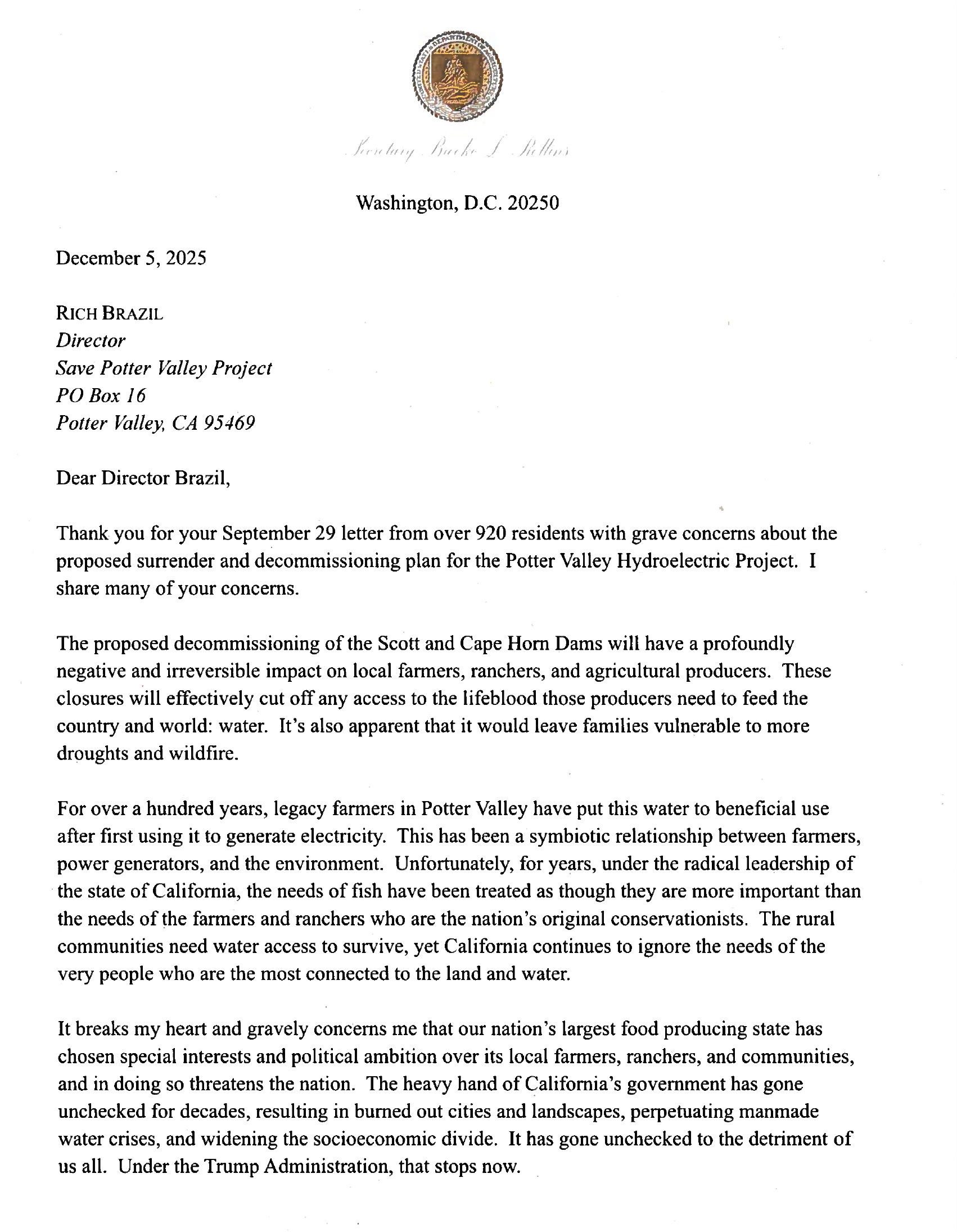
In that letter, Rollins warned that dam removal would:
Have a “profoundly negative and irreversible impact” on local farmers, ranchers, and agricultural producers,
Cut off access to the “lifeblood” of the region: water,
Leave families more vulnerable to drought and wildfire.
She criticized California’s leadership for putting “the needs of fish” above the needs of farmers and ranchers—whom she called “the nation’s original conservationists.”
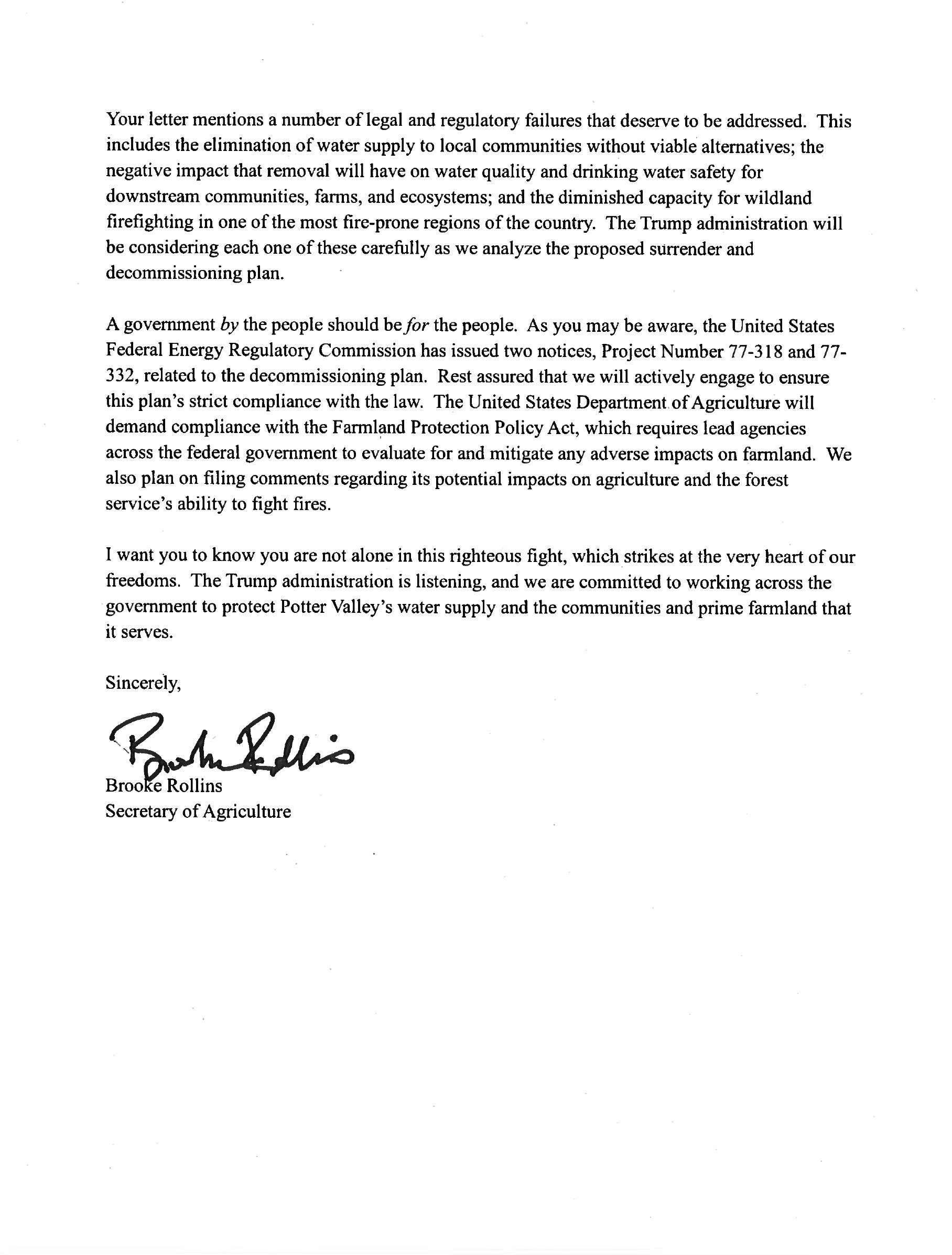
Rollins pledged that the Trump Administration would:
Force compliance with the Farmland Protection Policy Act, requiring federal agencies to evaluate and mitigate adverse impacts on farmland,
File comments with the Federal Energy Regulatory Commission (FERC) on the decommissioning plan’s impact on agriculture and wildfire response,
And “actively engage to ensure this plan’s strict compliance with the law.”
She closed with a message that now resonates far beyond Potter Valley:
“I want you to know you are not alone in this righteous fight… The Trump administration is listening, and we are committed to working across the government to protect Potter Valley’s water supply and the communities and prime farmland that it serves.”
Taken together, the Potter Valley and King Ranch letters sketch out a clear strategy:
Call out state-level overreach by name – California in Potter Valley, Washington in King Ranch.
Frame the issue as a “war on agriculture” and a threat to national food security.
Leverage federal tools—funding, the Farmland Protection Policy Act, FERC processes—to push back when states or utilities disregard agricultural impacts.
Signal support to embattled producers in other high-profile fights, such as Henry Ranch and the Maude case, where farmers and ranchers similarly argue that environmental or regulatory agendas are being used to squeeze them off the land.
Turn scattered local battles into a coherent national narrative: the defense of rural America against the weaponization of laws, agencies, and infrastructure decisions.
In other words, Rollins is not just reacting to isolated complaints; she is building a portfolio of rural defense cases—from water security in Potter Valley to lease rights at King Ranch, and potentially to other ranches like Henry Ranch and families like the Maudes—where she can argue that the federal government must step in when states use their power to attack, rather than support, agriculture.
For ranchers and farmers watching from the sidelines, these letters function as both a legal signal and a moral one:
If your livelihood is being threatened by regulatory gamesmanship, USDA may no longer be a silent observer.
A State in the Hot Seat, A Ranching Family Standing Firm
Sixkiller says USDA’s involvement is “inappropriate.”
But what is truly inappropriate is:
Pursuing secretive criminal investigations,
Issuing crushing fines without evidence,
Labeling man-made ponds as wetlands,
Preventing ranchers from defending themselves,
Ignoring third-party scientific reviews,
And jeopardizing a century-old ranching family’s livelihood.
Washington’s agencies may wish this stayed a local issue.
But now the nation is watching.
The USDA is watching.
Congress is watching.
Rural America is watching.
And for the first time, the narrative is shifting away from agency talking points—and toward the truth.
The Kings are still in court.
But they are no longer alone on the courthouse steps.