



A Quiet Place, a Big Pump
In rural Anderson County, water has always been something you don’t think about until you have to. Wells are drilled. Crops get watered. Families plan around what the land can give.
That quiet certainty is now under threat—not from drought, but from paperwork.
A proposal tied to Kyle Bass, through his firm Conservation Equity Management, seeks permission to pump billions of gallons of groundwater each year from East Texas and pipe it to growing urban markets. The number being discussed—roughly 10 billion gallons annually—is not an abstract figure. It represents a scale of extraction that rural wells were never designed to compete with.
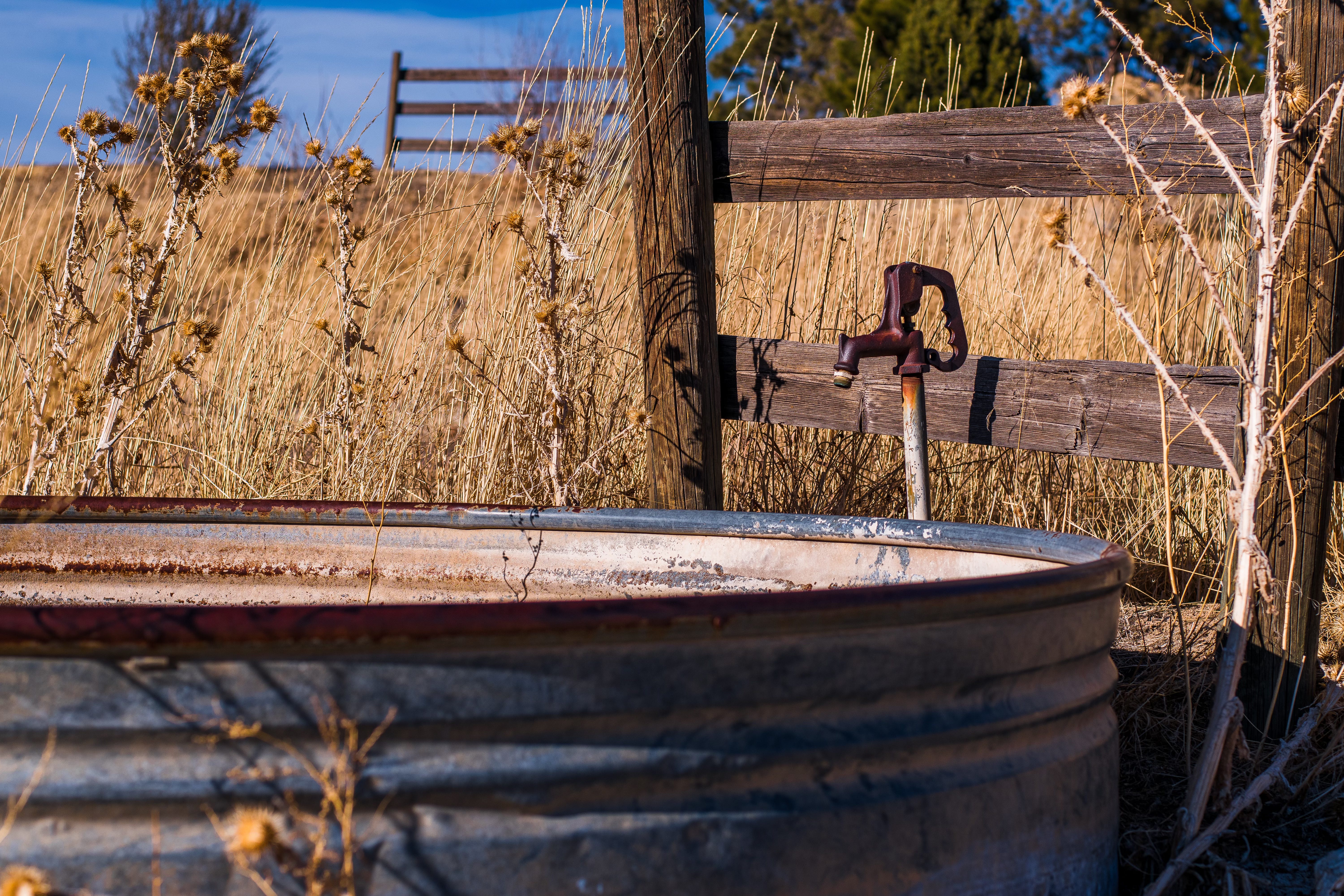
At the center of the controversy is a legal doctrine older than modern pumps, older than most of the wells in question, and older than the idea that water could be treated as a financial asset.
The Sleeping Giant: Texas’ Rule of Capture
Texas remains unique among major states for one reason: it still adheres to the Rule of Capture, a doctrine rooted in early 20th-century case law. In plain language, it means this:
If you own the land, you can pump as much groundwater as you want—even if it drains your neighbor’s well.
When the rule emerged, wells were shallow, technology was limited, and large-scale groundwater export was unthinkable. The law assumed scarcity would be self-correcting. It never imagined private equity funds, high-capacity pumps, and pipelines stretching miles beyond the county line.
Under today’s conditions, the Rule of Capture does something dangerous: it rewards speed, scale, and capital, not stewardship.
Those who can drill deeper and pump faster win. Everyone else adapts—or runs dry.
When Water Becomes a Financial Instrument
The Anderson County proposal is not about farming more land or supporting local growth. It’s about moving water—from rural aquifers to urban demand centers—using the legal vacuum left by outdated law.
This is the same playbook rural Americans have seen before:
Transmission lines justified by “regional need”
CO₂ pipelines backed by federal incentives
Eminent domain wielded in the name of efficiency
Resources extracted where resistance is weakest
The difference here is visibility. A transmission line cuts across your pasture. A pipeline scars the soil. Groundwater extraction leaves no immediate mark—until the well sputters, pressure drops, and the damage is irreversible.
Once an aquifer is overdrawn or collapses, there is no lawsuit that refills it.
Rural Alarm Bells Are Ringing
Local landowners in East Texas aren’t anti-growth. They understand cities need water. What they object to is being treated as a sacrifice zone—a place where resources are siphoned off because the law allows it and the population is sparse.
For farmers, ranchers, and rural homeowners, the risk isn’t theoretical:
Existing wells may fail
Replacement wells may require deeper drilling at enormous cost
Water quality can degrade as water tables fall
Property values can decline when water security disappears
And under Rule of Capture, there is often no legal remedy.
If your neighbor drains your well, the law may simply shrug.
The Legislative Counterattack
This is where the story shifts from exposure to consequence.
Texas lawmakers are now being forced to confront a question they have long avoided:
Should a doctrine from 1904 govern industrial water extraction in 2026?
State Representative Cody Harris has emerged as a leading voice pushing for reform. His effort is not about abolishing private property rights. It’s about recognizing that groundwater—once effectively limitless—has become finite under modern demand and technology.
The legislative push aims to:
Strengthen groundwater district authority
Prevent large-scale exports that undermine local water security
Close loopholes that allow speculative extraction
Protect rural communities from being outcompeted by capital
In other words: to update the rules before the wells go dry.
A Broader Pattern, Not an Isolated Fight
This isn’t just an East Texas story.
Across the country, rural regions are discovering that resource law ages poorly. Water, land, airspace, and mineral rights are all being reinterpreted under modern economic pressure. When laws fail to evolve, those with money move first—and those with roots pay the price.
Texas’ Rule of Capture is simply one of the clearest examples of what happens when:
Technology outpaces law
Markets outpace community consent
“Legal” becomes confused with “responsible”
What’s Really at Stake
Strip away the legal jargon and financial language, and the question is simple:
Who controls the essentials of life—those who live on the land, or those who can afford to extract from it?
Water is not optional. It is not replaceable. And once rural aquifers are depleted, no urban growth plan can restore them.
This fight is about more than gallons and permits. It is about whether rural America has a say in what leaves its soil—and whether old laws will continue to enable modern extraction at irreversible cost.
The Rule Of Capture’s Legality may not mean Legitimacy
The Rule of Capture may be legal, but legality is not the same as legitimacy.
Texas now stands at a crossroads. It can modernize its water law to reflect reality—or it can allow a 120-year-old doctrine to quietly hollow out the very communities that have sustained the state for generations.
Once the water is gone, the debate is over.
And the land remembers.