



Every time raw milk gets close to the ballot box, somebody finds bacteria in a bottle — and the whole debate turns into a one-farm morality play.
The question isn’t whether germs exist.
They do.
The real question is whether we’re using outbreaks to make policy… or making policy to prevent outbreaks.
Because what just happened in New York fits a pattern that farmers, regulators, and raw-milk consumers have seen over and over again.
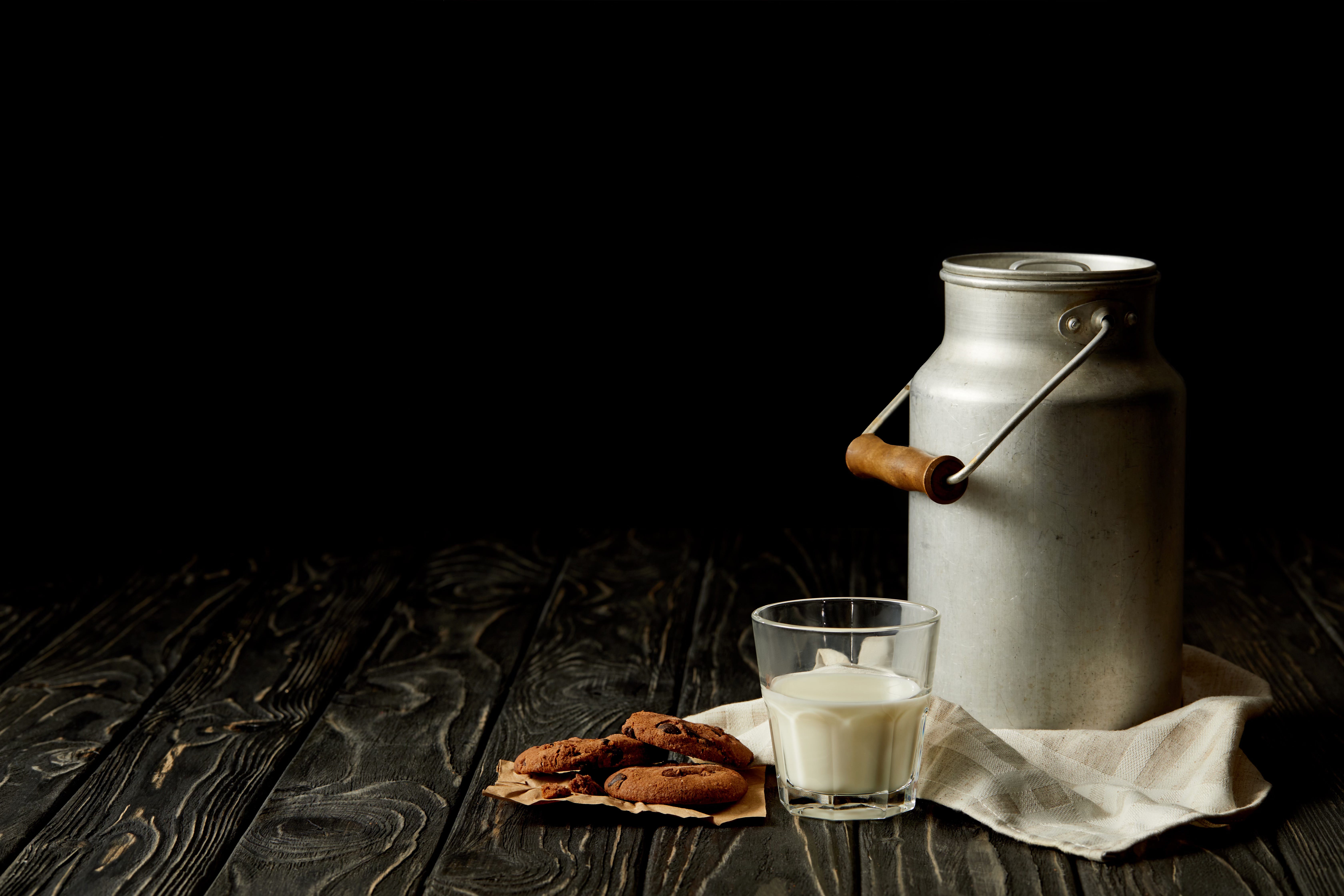
A familiar script in upstate New York
In mid-December, New York regulators issued a consumer alert warning residents not to consume raw milk from a specific dairy after two illnesses were reported and Campylobacter jejuni was detected in milk samples.
The farm was named. Sales were halted. Headlines followed.
The alert came from the New York State Department of Agriculture and Markets, working alongside state health officials. The message was direct: raw milk is dangerous; don’t drink it.
And that part is true — raw milk carries risk. Campylobacter is a real pathogen. For most people it means days of severe gastrointestinal illness; for vulnerable populations it can mean hospitalization or worse.
But the timing — and the framing — deserves scrutiny.
The “one-farm morality play”
Notice how these stories are almost always told:
One farm.
One product.
One warning.
Suddenly, an entire food category becomes the villain.
What rarely makes the headline is context:
How many raw-milk farms operate without incident?
How many pasteurized food products cause outbreaks every year?
What safety systems failed — and which ones were never required to exist in the first place?
Instead, the public gets a binary choice:
Ban it, or risk it.
That framing isn’t accidental. It’s efficient. And it’s politically useful.
Why outbreaks always surface during legalization pushes
Raw milk doesn’t suddenly become risky because lawmakers start debating it. What does change is attention.
When food-freedom legislation gains momentum, three things typically happen at once:
Regulatory scrutiny increases
More inspections. More sampling. More testing — often reactive rather than routine.Media amplification spikes
A contamination event that might once have stayed local suddenly becomes statewide or national news.The incident becomes symbolic
Not a failure of process — but proof that the product itself should not exist.
This is where public health messaging quietly turns into policy leverage.
Risk is real — but so is selective enforcement
Here’s the uncomfortable truth both sides tend to avoid:
Raw milk is higher-risk than pasteurized milk.
There is no kill step. That matters.Pasteurized food still causes massive outbreaks.
Leafy greens. Peanut butter. Ice cream. Ground beef. Poultry.
We don’t ban those categories — we improve controls.
So why does raw milk live in a permanent exception box?
Because instead of asking how to make it safer, regulators often default to how to discourage it.
In New York, raw milk is legal — but only under a narrow, tightly controlled framework that many farmers argue makes proactive safety systems economically impossible.
That creates a paradox:
Farms are allowed to sell raw milk…
But are rarely supported or incentivized to build the kind of robust testing and transparency systems that would reduce risk.
Then, when something goes wrong, the existence of raw milk itself is put on trial.
Public health vs. public trust
Consumer alerts matter. People deserve to know when a product may have made them sick.
But trust erodes when alerts become political punctuation marks rather than part of a broader safety strategy.
When regulators:
name a farm,
halt sales,
issue broad warnings,
…but don’t follow up with:
transparent data on prevalence,
comparative risk analysis,
or a roadmap for safer production,
the message becomes clear:
This product should disappear.
That’s not food safety. That’s food policy by pressure.
The missing middle ground
There is a serious conversation that never seems to happen:
What would risk-managed raw milk actually look like?
Routine pathogen testing before sale, not after illness
Clear, standardized on-farm sanitation benchmarks
Transparent public reporting without punitive theatrics
Consumer education that treats adults like adults
Other countries experiment with this. Some U.S. states quietly do too. New York largely does not.
Instead, every outbreak becomes another justification to freeze reform in place.
We need to keep our eyes open.
This story isn’t about defending unsafe food.
It’s about whether fear is substituting for governance.
If the goal is public health, then outbreaks should trigger system improvements — not just warnings and shutdowns.
If the goal is prohibition by attrition, then this pattern makes perfect sense.
Every time raw milk inches toward political legitimacy, the bacteria becomes the headline — and the policy debate ends right there.
Until someone finally asks the harder question:
Are we actually trying to prevent outbreaks…
or just waiting for the next one to stop the conversation?