



At first glance, the Teller County, Colorado greenhouse dispute looks like another familiar land-use fight: a county says a structure doesn’t belong in a residential zone; a family says state law protects their right to grow food.
But dig one layer deeper, and this case stops being about square footage and plastic sheeting. It becomes a question about process, power, and proximity — and what happens when government enforcement and personal interest sit uncomfortably close together.
The case, stripped of noise
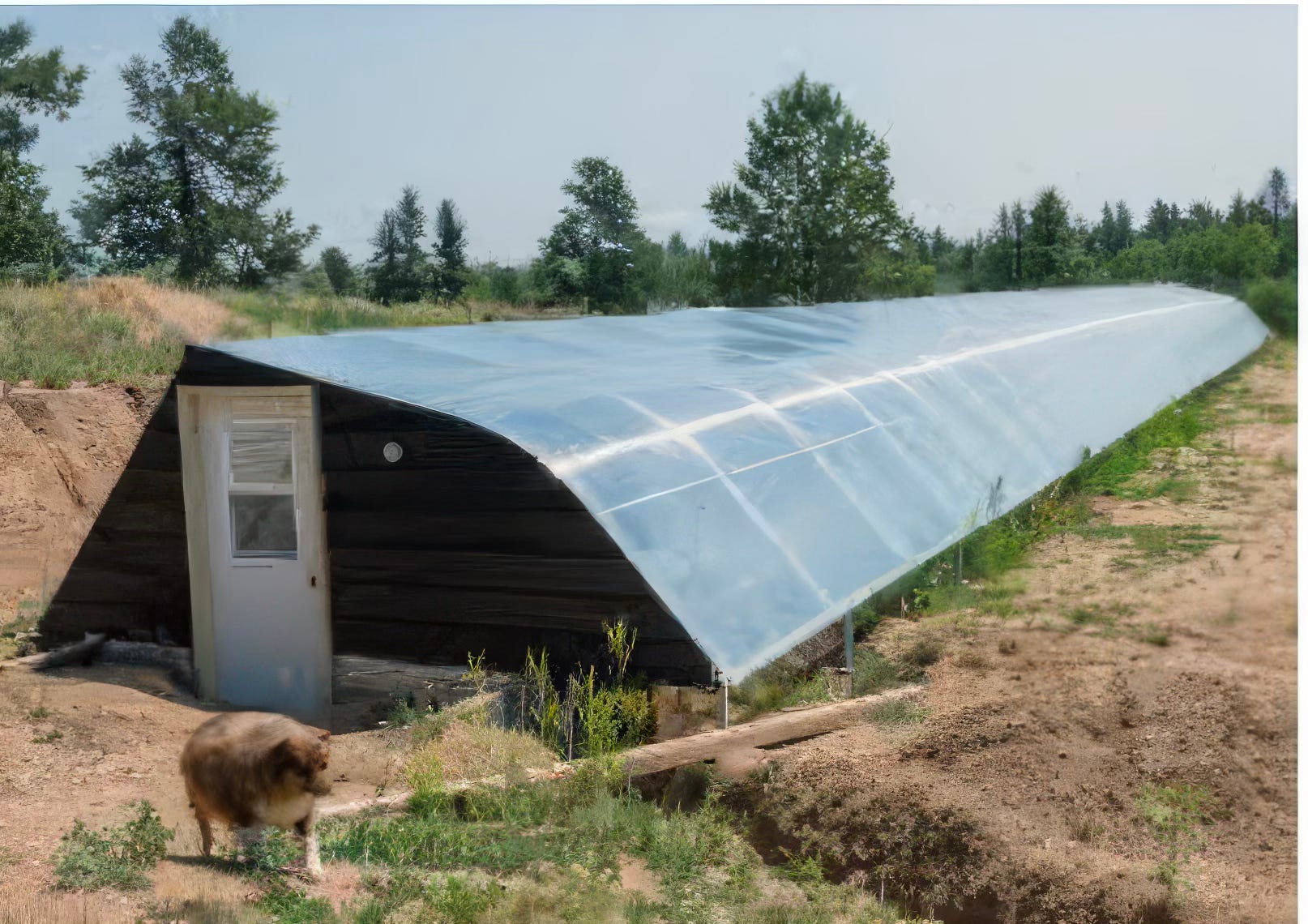
Teller County has asked a judge to order the dismantling of a nearly 3,000-square-foot greenhouse built by the Loop family in a residential subdivision. The county argues the structure constitutes a commercial agricultural operation that violates local zoning and permitting rules.
The Loops disagree. They say their greenhouse is protected under Colorado’s Farm Stand Act, a 2019 law intended to shield small producers from local zoning barriers when growing and selling food. They also dispute the county’s characterization of the operation as “commercial,” stating that the greenhouse is intended to support food sharing and charitable distribution through a nonprofit ministry.
That alone would be enough to make this a consequential test case. But the structure of the lawsuit itself is what elevates it from routine zoning enforcement to something far more delicate.
The uncomfortable detail no one can ignore
One of the named plaintiffs in the case is not just the county.
It is also a sitting county commissioner — suing in his individual capacity as a neighbor in the same subdivision.
This matters.
He is simultaneously:
part of the governing body responsible for county enforcement decisions, and
a private landowner alleging harm as a neighboring resident.
Legally, this configuration is not automatically prohibited. But procedurally, it is fraught — especially in land-use cases where enforcement is discretionary.
Zoning violations don’t enforce themselves. Counties decide when to act, how aggressively, and whether to escalate to daily fines and court-ordered removal. When a decision-maker is also personally affected by the outcome, the county inherits a burden it can’t hand-wave away: it must show the action was procedurally clean, consistently applied, and insulated from personal interest.
Why discretion is the real battlefield
This case is not about whether Teller County has zoning authority. It does.
The real issue is how that authority is exercised.
Courts are particularly sensitive when three things overlap:
discretionary enforcement
escalating financial penalties
elected officials with personal proximity to the dispute
That doesn’t mean the county is wrong on the zoning question. It means the process must be airtight — because even the appearance of selective enforcement can undermine legitimacy.
The Loops have seized on this by raising procedural objections, including whether the county properly authorized the lawsuit under Colorado’s open meetings requirements. Again, this isn’t a moral argument. It’s a governance one.
When enforcement power intersects with personal interest, judges tend to slow down, not speed up.
Where religious freedom enters — and where it doesn’t
The Loops have also raised religious-freedom claims, arguing the greenhouse is tied to a nonprofit ministry and food sharing as an expression of faith.
This is not internet rumor. It is a claim made by the defendants themselves in their filings.
But it’s important to be precise:
Religious freedom is one defense, not the spine of the case.
The backbone remains statutory and procedural:
Does the Farm Stand Act preempt local zoning in this context?
Is the greenhouse a protected agricultural structure or an impermissible commercial use?
Did the county follow proper procedures when authorizing enforcement?
The religious argument adds constitutional weight, but the case does not rise or fall on theology. It rises or falls on definitions, authority, and process.
The bigger pattern we keep documenting
If this feels familiar, it should.
Across the country, farmers and homesteaders are discovering that:
agricultural activity can be “encouraged” in law but discouraged in practice
exemptions exist on paper but collapse under local interpretation
enforcement often begins with neighbors, not regulators
What makes Teller County different is not hostility to agriculture — it’s the fusion of private grievance and public authority into a single lawsuit.
That fusion is what courts scrutinize most closely.
What this case is really testing
Strip away the rhetoric, and this case asks a narrow but consequential question:
When a state passes a law to protect local food production, who decides whether it applies — the legislature that wrote it, or the county that enforces around it?
Layer on top of that a second question:
Can enforcement remain impartial when the enforcer is also the neighbor?
Those questions matter far beyond one greenhouse at 9,000 feet.
Why this story matters now
This is not a culture-war story. It’s a governance story.
It’s about whether:
zoning enforcement is rule-based or relationship-based
state protections for small producers have real force
local governments can separate authority from interest
Courts exist precisely for moments like this — when power is legal but trust is fragile.
And that’s why the Teller County greenhouse case belongs in the record.